Category Archives: Exhibitions

Back Posted on

TOO MUCH

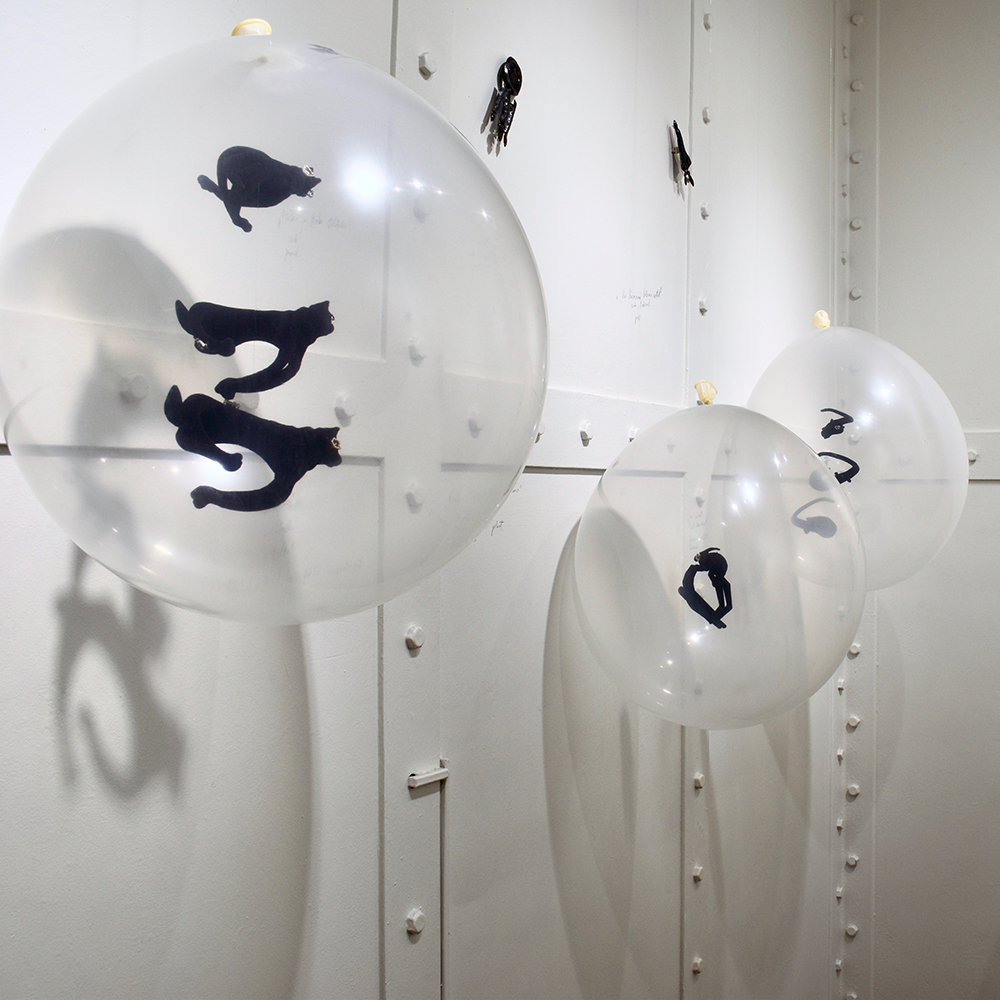
We always want more. We are filled with confusion and excitement about how to think, feel and react to what is happening in and around us. We create images and words that blur the boundaries of reality and often become obsessions that we no longer get enough of. We long for reckless love, endless joy, non-binding truths, and fantastic experiences; at the same time unsuccessfully fighting the temptation to fully follow their own wants and desires. But when do we say that something is too much? Where is the line between adequate and excessive, when our hearts and innermards ask for infinitely more.

Triin Kukk is an Estonian jewellery artist, currently obsessed with stones. She finished her MA studies in the department of jewellery and blacksmithing at the Estonian Academy of Arts this spring. Recently, Triin was awarded with one of the Galerie Marzee Graduate Prizes. www.triinkukk.com

Erinn M. Cox is a jewellery artist from the United States, currently residing in Tallinn, Estonia. She holds a BFA in sculpture and photography from Florida State University, an MFA in sculpture and installation from the Memphis College of Art, and a MA degree in Jewellery from the Estonian Academy of Arts. Erinn has exhibited her work internationally, highlighted by her selection for Schmuck 2018 and recently being awarded one of the Galerie Marzee Graduate Prizes in 2019.  As well, Erinn is a published author on topics related to contemporary art + design, jewellery, and philosophy; recently being selected for the Young Estonian Jewellery Writing Award in 2018.  www.erinnmcox.com 

The design of the exhibition, which changes over two months, opens up artists’ interpretations of what may be too much.

The exhibition is supported by the Estonian Cultural Endowment.

Back Posted on

NUDE JADE

The exhibition Nude Jade by Hansel Tai takes on the sacred material: jade. Celebrated as the ultimate symbol of perfection and purity and valued for its translucent, skin like glow, jade is often carved into intricate mythological and religious forms.

The focus of Hansel Tai research is the LGBTQ+ culture among young Pan-Asians on a global scale. And he does it by questioning traditional symbols. Tai pendants, formally reduced and abstracted, are penetrated with heavy ready-made circular barbell piercings. With this gesture – which is inconceivable, on many levels, to those familiar with traditional jade carving – Tai subdues the sacred jade, aiming to evoke a strong emotional response from the viewer.

In this body of work Tai translates and subverts the traditional symbolism, through a transgressive and alienating action, puncturing the stone with piercing, in an almost impossible act.

This is the first exhibition for Hansel Tai in A-Gallery and he is presenting his iconic work on Jade. His upbringing and education in China, and his later exposure to the work methods of the Estonian Academy of Arts, with its very pronounced aesthetic, barely left a mark on him. For this solo exhibition, he takes the best of both worlds, and with precision and determination he produces work in which materials and techniques are the means to a very specific end.

Hansel Tai is a Chinese artist and designer working and residing in Estonia. Tai’s work focuses on the Post-internet Epoch, in which naturalness is shadowed by the body cult, deformation, subcultural signs and high gloss metal, and digital voodoo is materialized into fetish objects. He graduated in 2016 from the Central Academy of Fine Arts in Beijing, where he studied Art Jewellery. He has continued his artistic research at the Estonian Academy of Arts in Tallinn as well as the Gerrit Rietveld Academie in Amsterdam. In 2019 he obtained a Master of Arts degree. He has exhibited in the Netherlands, Germany, France and the USA among other countries.

Back Posted on

iTOUCH STORE

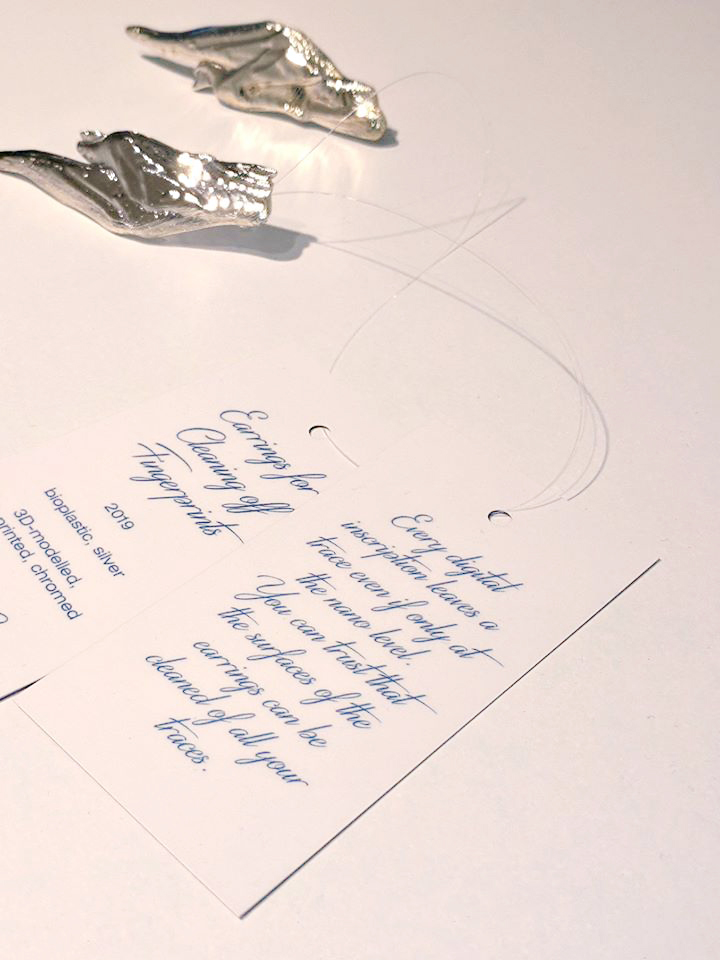
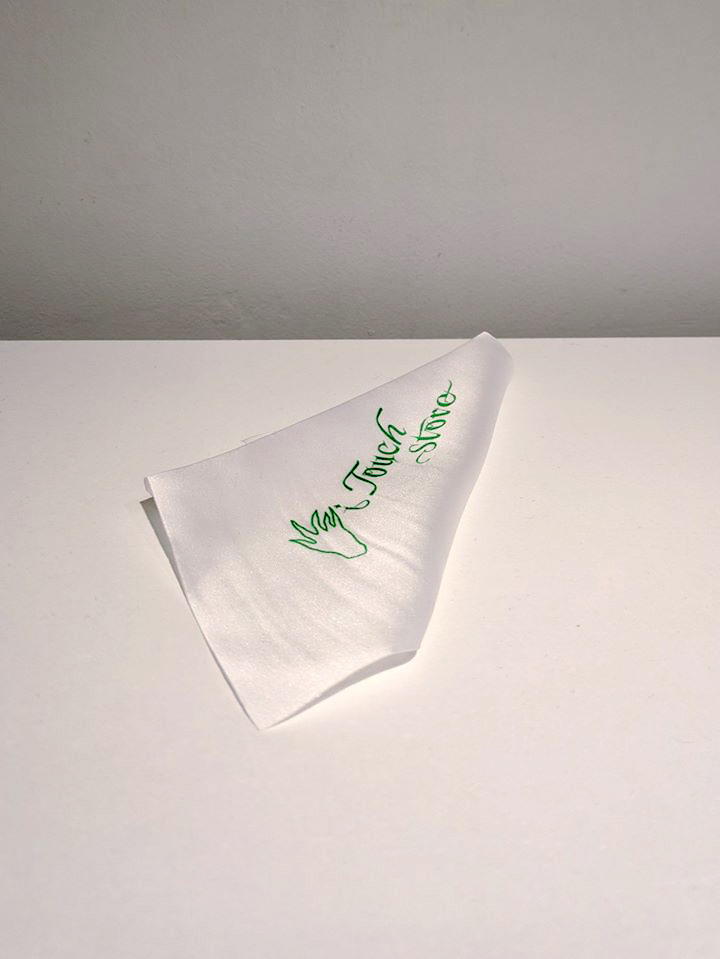
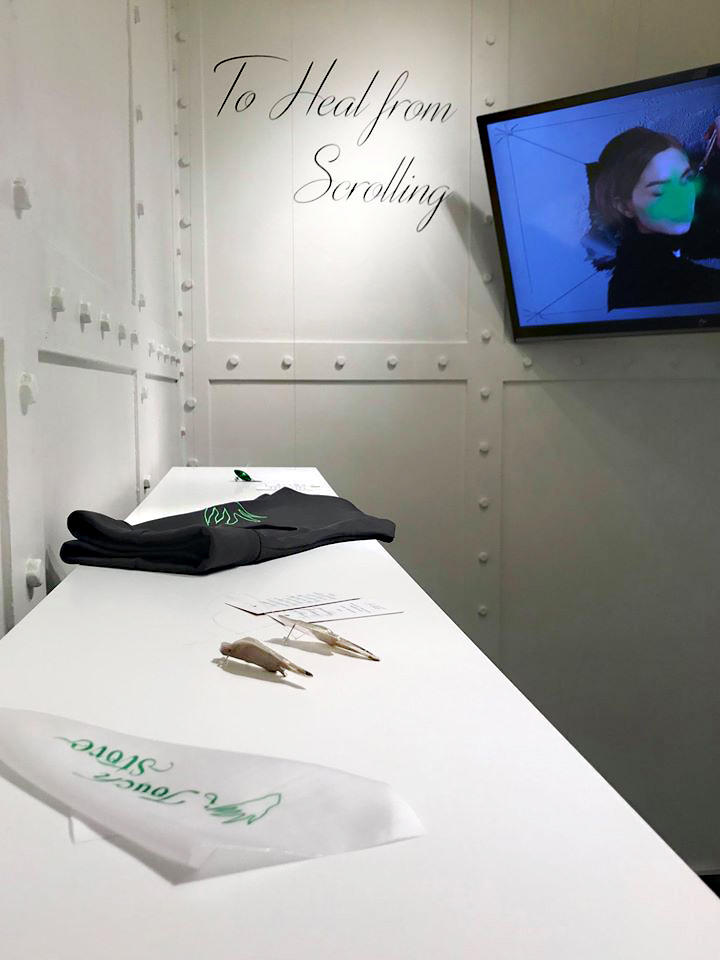
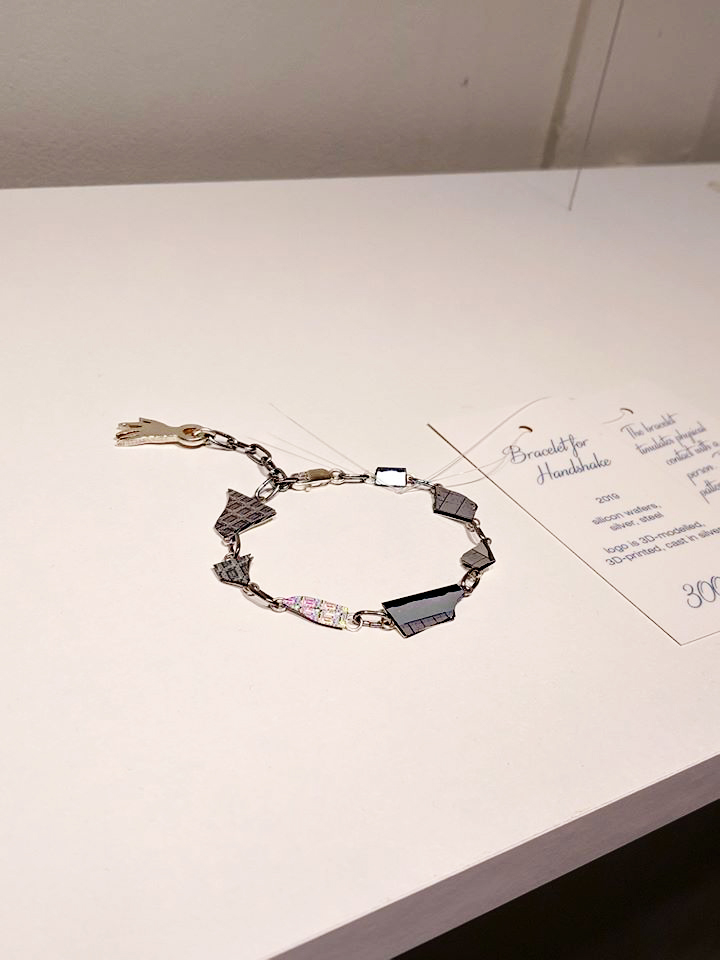
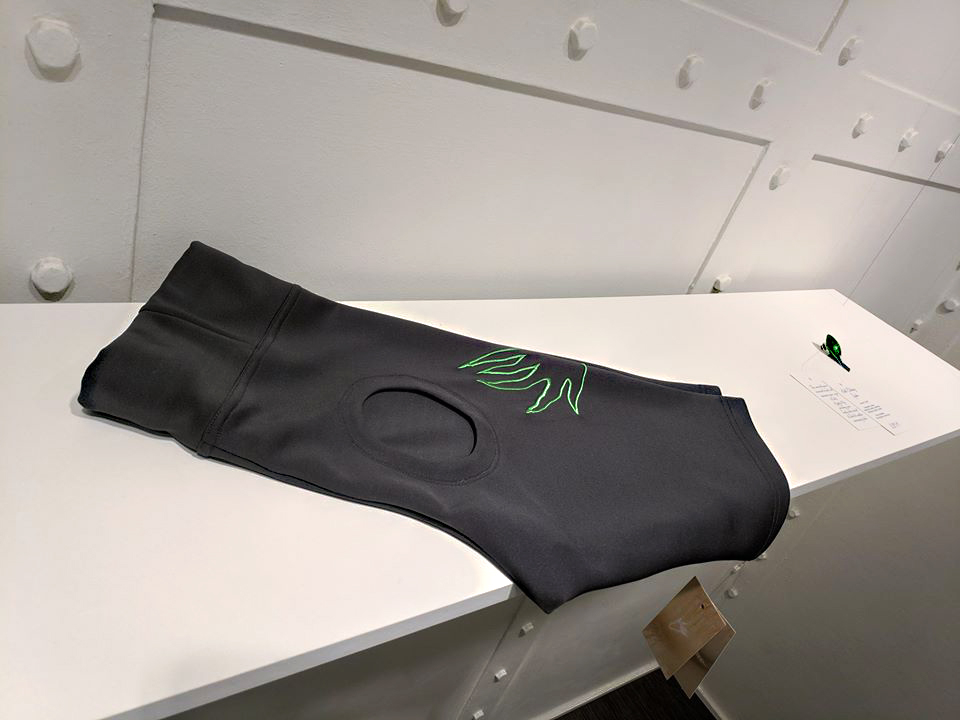
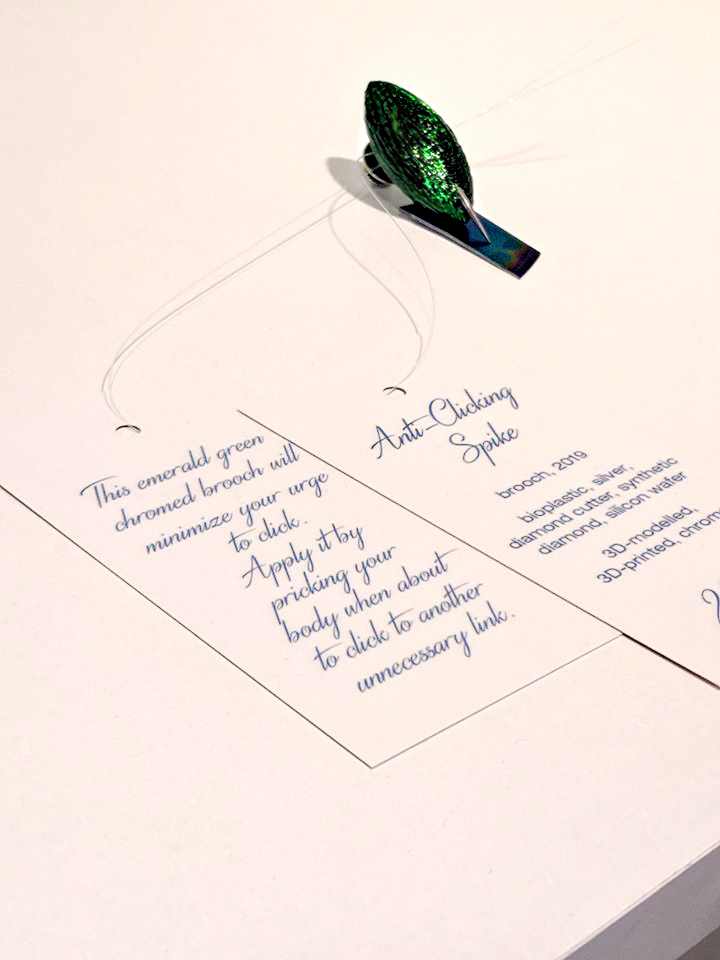
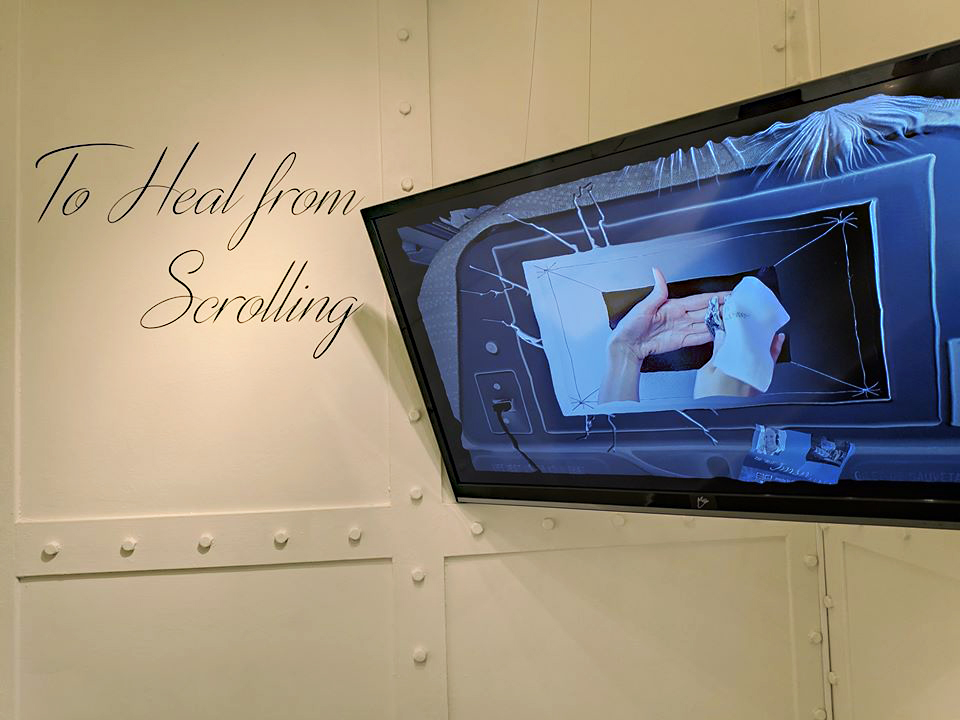
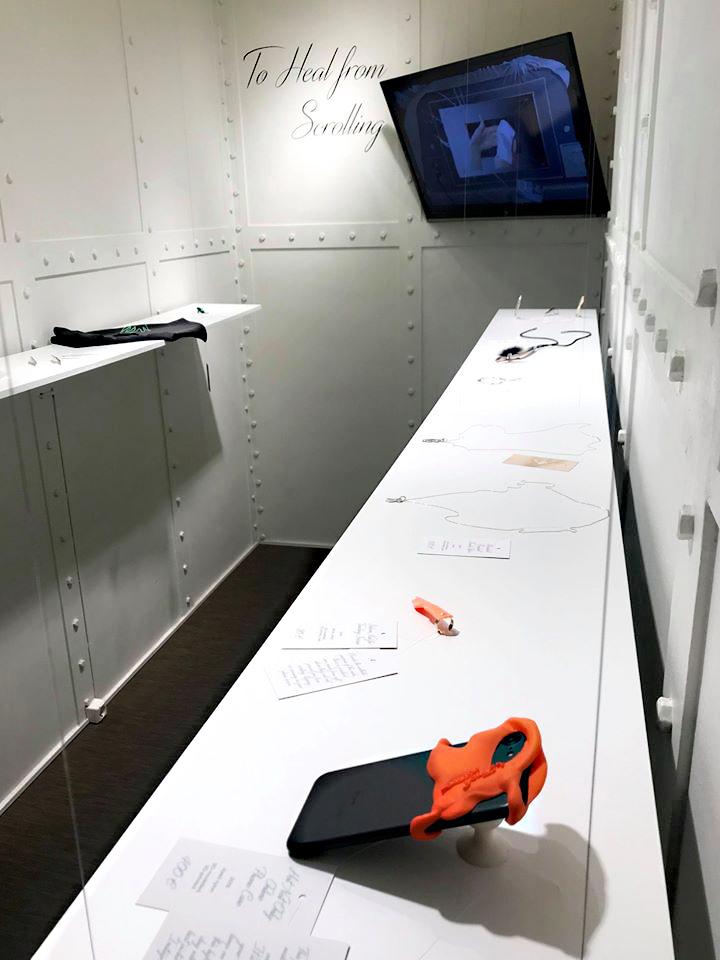
The exhibition examines touch as a part of digital culture: the tactility of digitally transmitted jewellery images, given the excessive focus on the phone and the screen.

The audience can also see the works in their representations — in the form of a video ad where the author attempts to find answers to the following questions: can the digital representation of the jewellery have tactile features?, how does the digital representation of jewellery affect real jewellery on a tactile level? and, how does the use of digital media change the relationship between jewellery and tactility? The jewellery and objects at the exhibition are meant to solve the potential problems of the digital age. The titles of the work speak for themselves: “Hot Not Only Online Phone Case”, “Silicon Nail for Touching Screen”, “Digital Detox Brush”, etc. The exhibition is laid out as a shop and this is not accidental. Media critic Erkki Huhtamo brings a parallel between a museum and a shop, the tradition of which is related to “tactiloclasms” — tactile rules and prohibitions in public places. Similarly to the old days where you could have access to the product in a shop only with the help of a shop assistant, in the exhibition room touching the jewellery is not permitted due to security requirements. Namita Gupta Wiggers, the jewellery historian, spoke of the fact that jewellery perception in the museum is limited to the vision, while the potential destination of the jewellery is the body. Replacing the sense of touch with the vision continues in the Internet age. Darja Popolitova notes that she has been inspired by AliExpress e-shop ads. “Reviewing products — even without buying them — offers me certain pleasure,” commented the artist. “As I read a book by the media theorist Laura U. Marks, I went deeper into the meaning of the term “tactile visuality offered by Laura U. Marks. At one moment everything came together in my head: I treat the images of the products with a certain plasticity — my eyes do not see, but “touch” these images. That is why I decided to explore the tactile properties of the images of jewellery with my exhibition.”

Darja Popolitova was born in 1989 in Sillamäe and lives and works in Tallinn. She is currently doing a PhD at Estonian Academy of Arts. Darja designs jewellery using innovative technologies and mixed media. Recently, Darja Popolitova has participated in exhibitions at the Art and Design Museum in New York (2019), the Kunstnerforbundet gallery in Oslo (2018) and the fourth biennial of contemporary jewellery, METALLOphone in Vilnius (2018). Darja Popolitova is represented by the following galleries: Marzee in Nijmegen, Beyond in Antwerp, and Door in Mariaheide. Her work is included in the collection of the Estonian Museum of Applied Art and Design and also in private collections. The work of Darja Popolitova was awarded the scholarships of the Ministry of Culture and Adamson-Eric in 2018. She also received the scholarship of Young Jewellery in 2015.

Video: Ando Naulainen
Sound Design: Andres Nõlvak
Graphic Design: Johanna Ruukholm

The exhibition is supported by the Cultural Endowment of Estonia.

Back Posted on

MEMORY CARDS

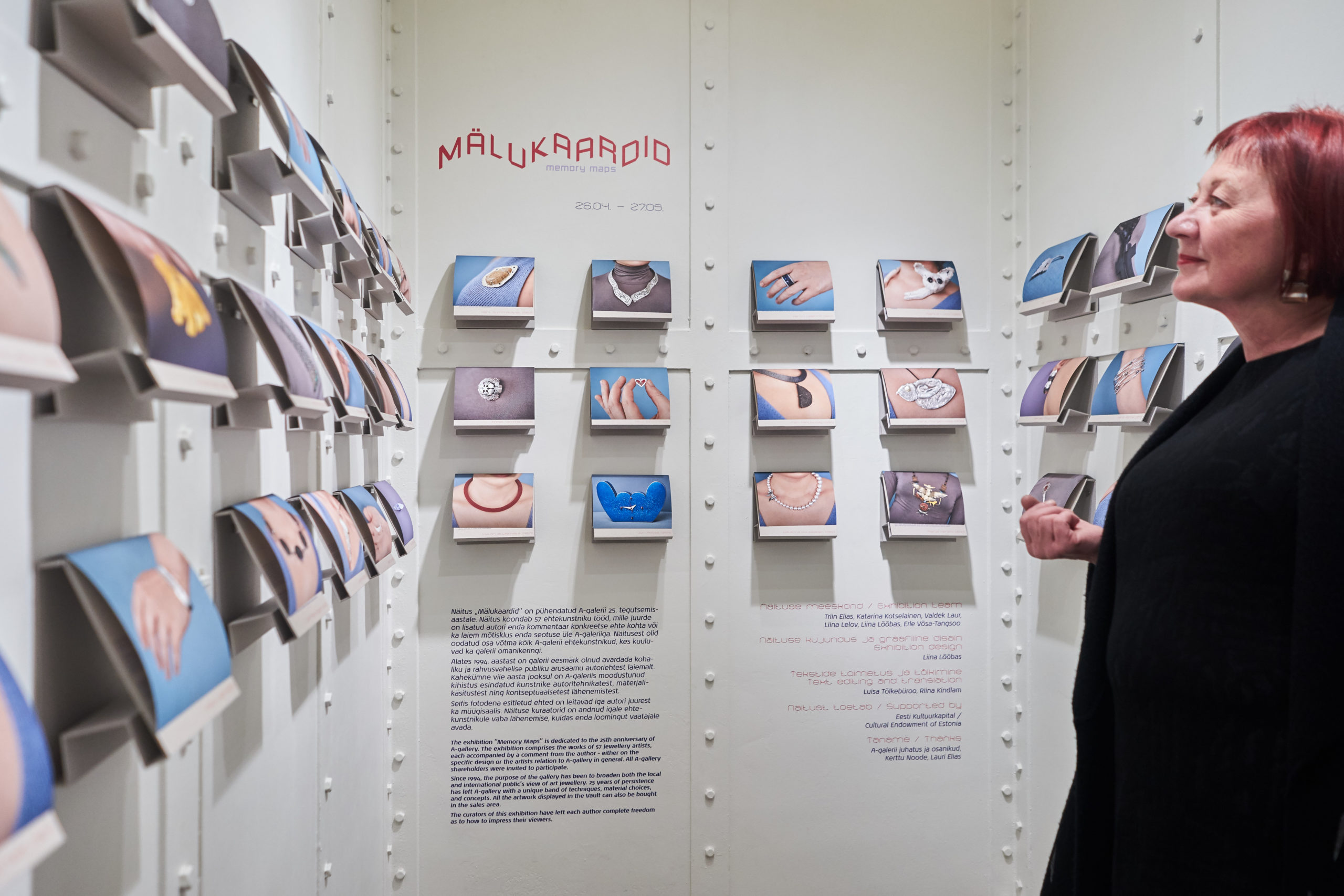
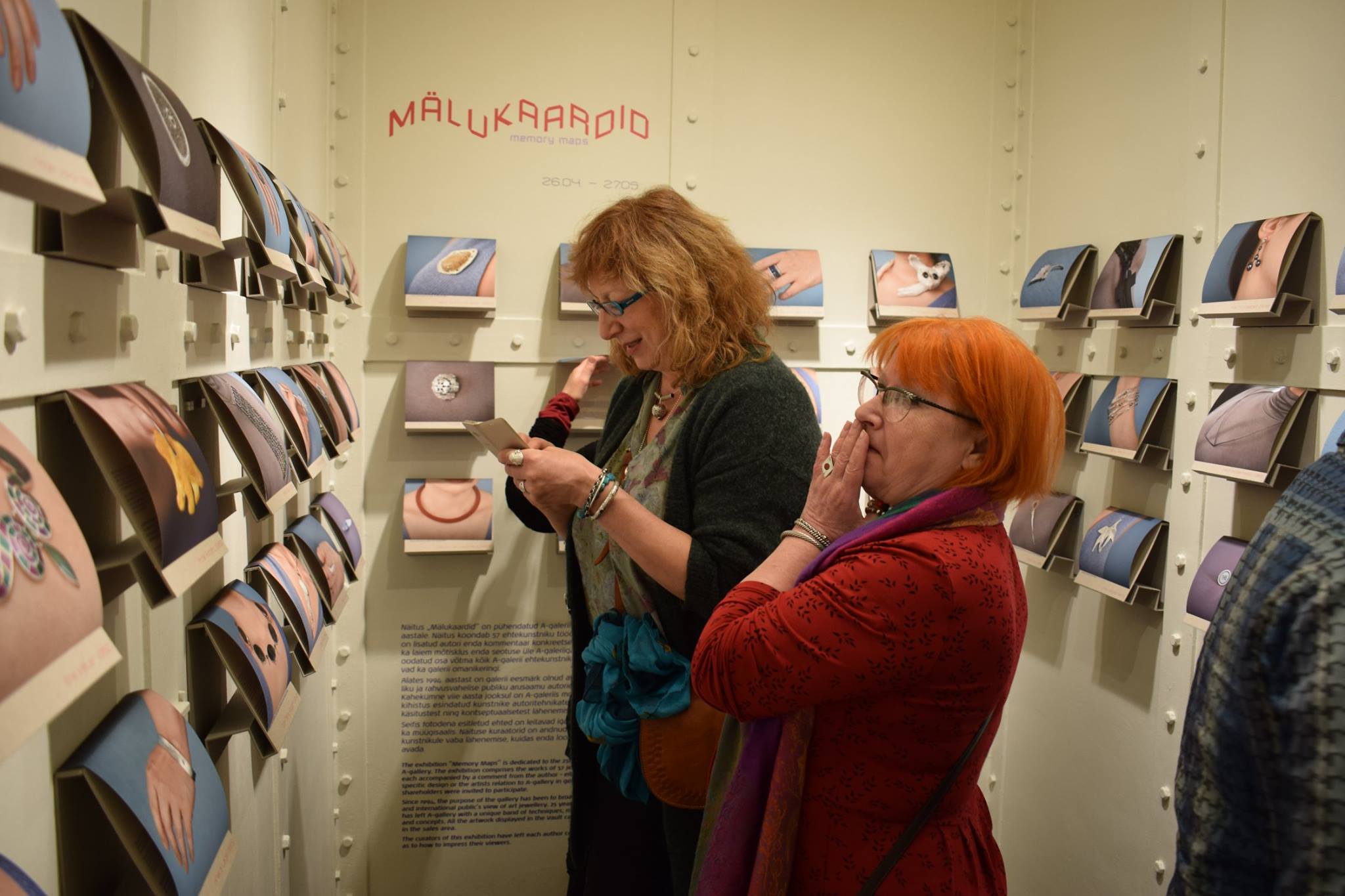
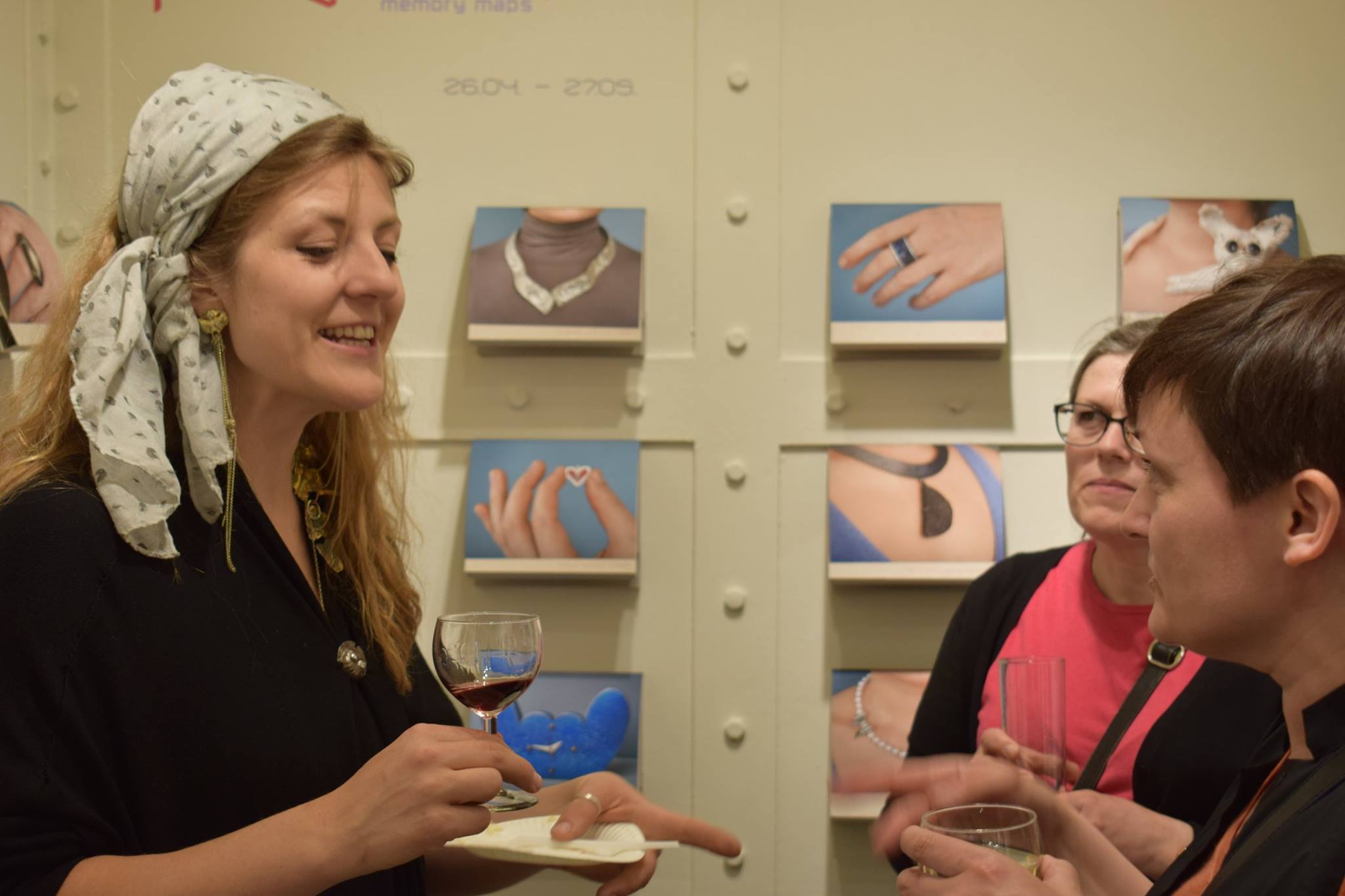
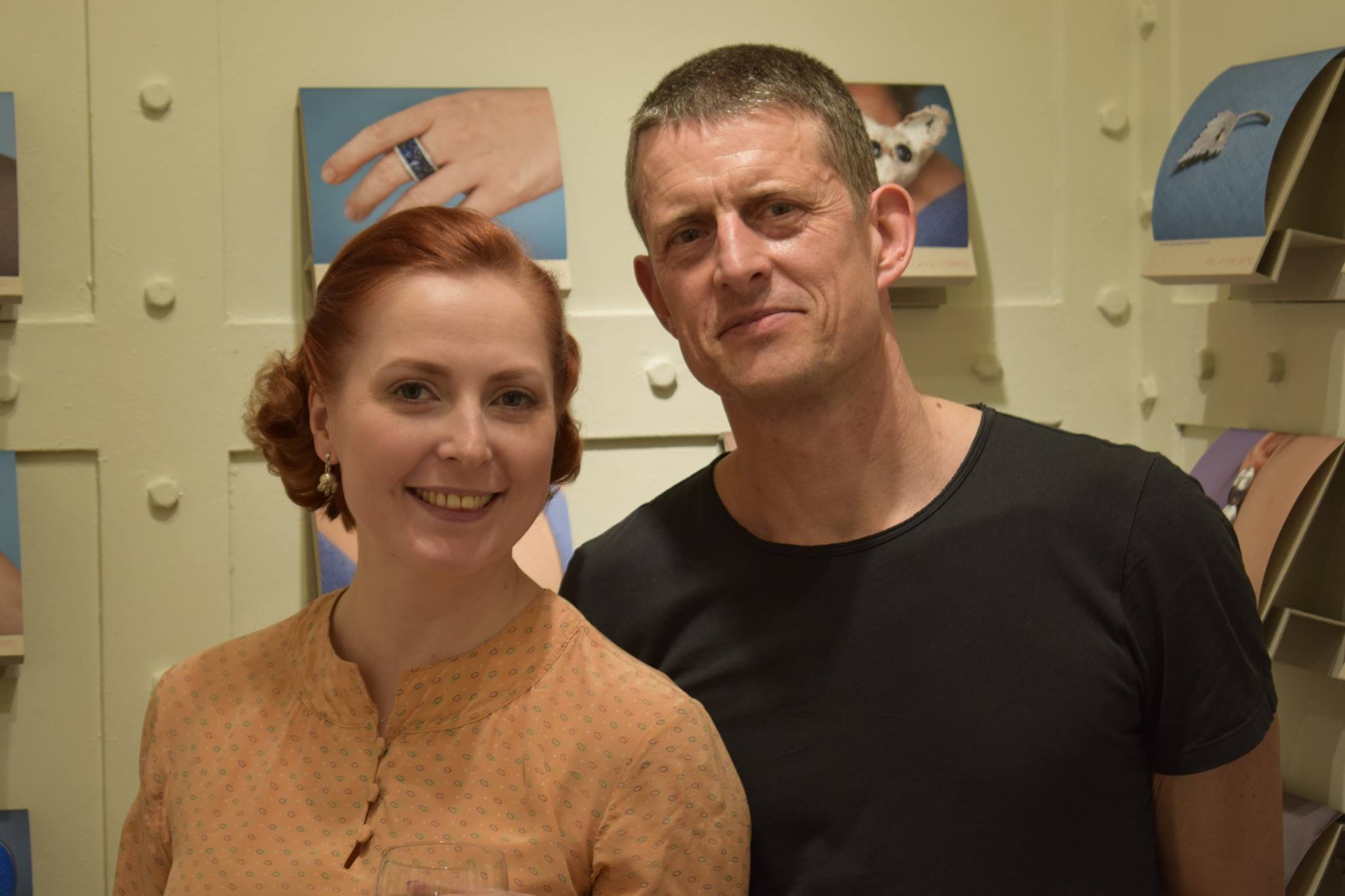
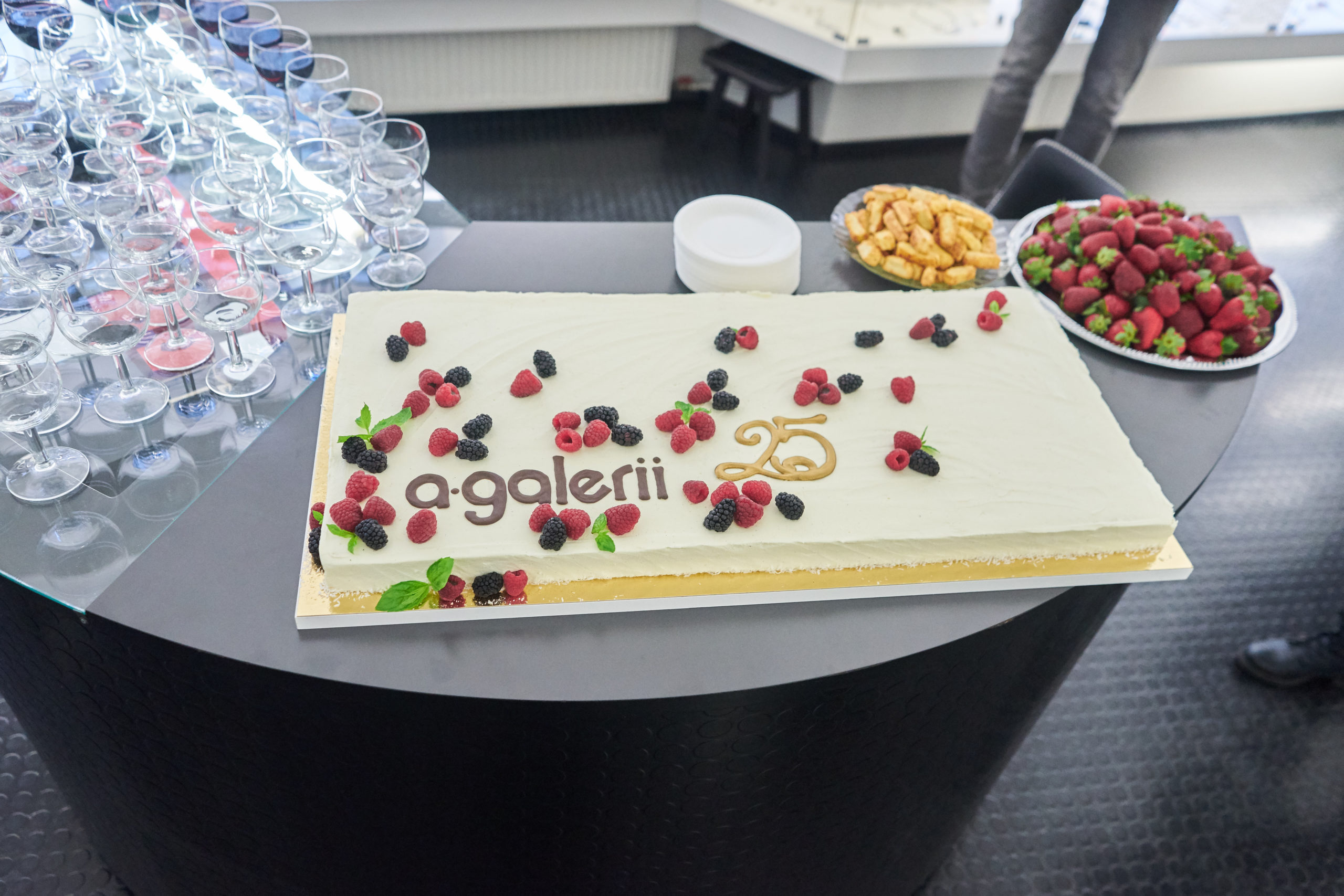
The MEMORY CARDS exhibition is dedicated to the 25th anniversary of A-Gallery. It brings together the work of 57 jewellery artists with comments from the designers themselves about the featured piece or their connection with A-Gallery more broadly.

A-Gallery was the first gallery opened in Estonia to showcase the work of designer jewellery. It is the largest of its kind in the country and was founded by the artists themselves. Since 1994 it has aimed to give both the local and international audience a deeper understanding of designer jewellery. In its 25 years of operations it has showcased the design techniques, use of materials and conceptual approaches of the artists represented at the gallery. Each new generation of jewellery artists has brought its own sense of style typical of its era. Tradition and innovation go hand in hand here, precious metals combining with a wide range of materials charged with meaning for the artists utilising them.

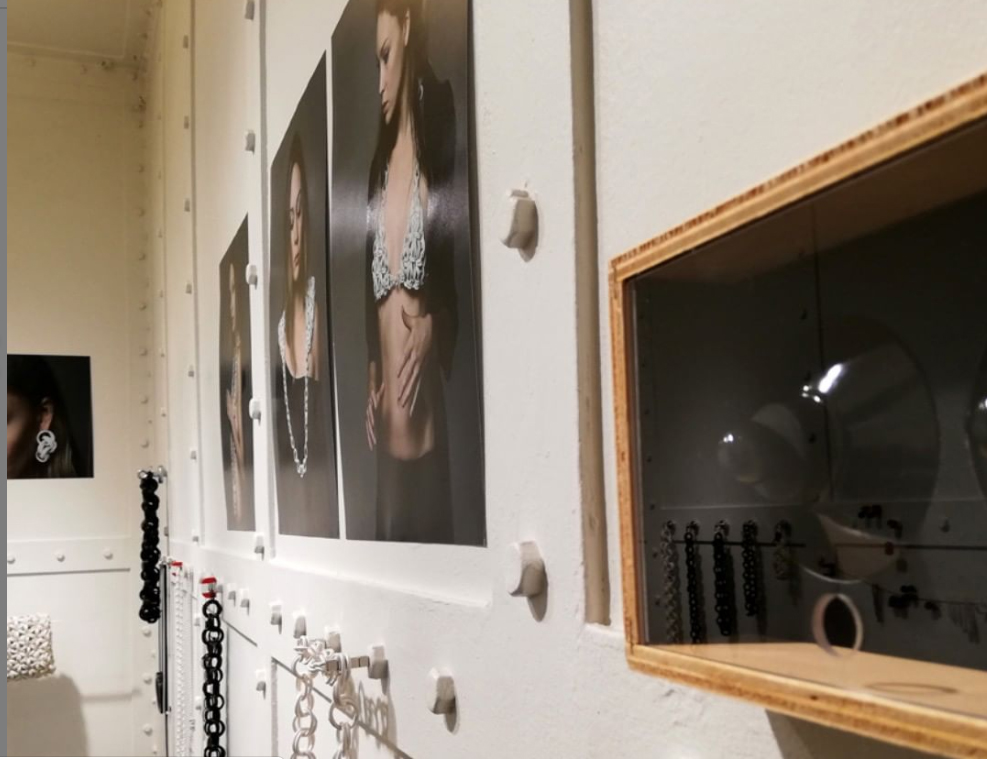
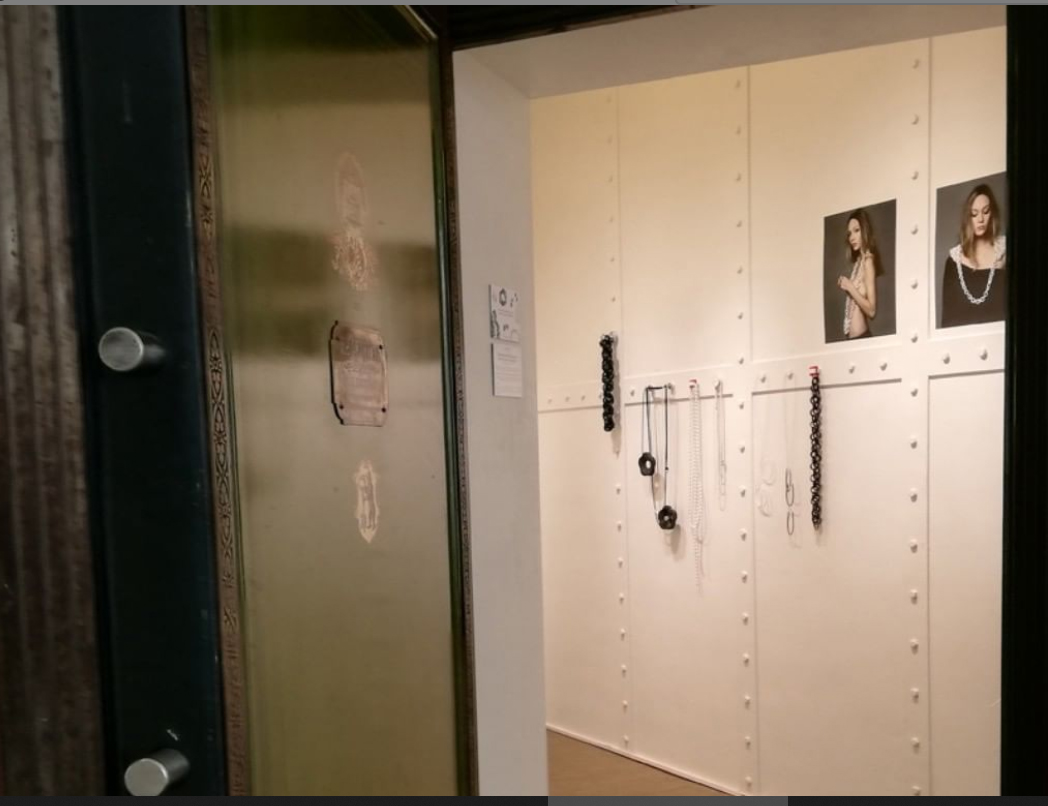
The jewellery, which will be presented in Vault as photos, will also be shown by the artists in the sales room. In addition to showcasing the creations of the artists, these photos speak of their time and of memory, traditions, conceptual diversity, ways of wearing jewellery, the extensive choice of materials used and the skills of the artists – forming something of an archive characterising 25 years in the life of a gallery. The curators of the exhibition have given each of the artists carte blanche in how they present themselves to the audience.

Exhibition is supported by the Cultural Endowment of Estonia.

Back Posted on

WHITE, WHITE, BLACK. WHAT CAN I AFFORD?

In between there is nothing. Andrea Auer’s jewellery exhibition features works from unexpected materials but with an uncompromising black-and-white color scheme. “What can I afford?” – the question that the Viennese artist raises with the exhibition is inspired by the book “Exile” by the Estonian writer Elin Toona Gottschalk.

Photo: Andrea Auer

Back Posted on

KIVID MINU TEEL

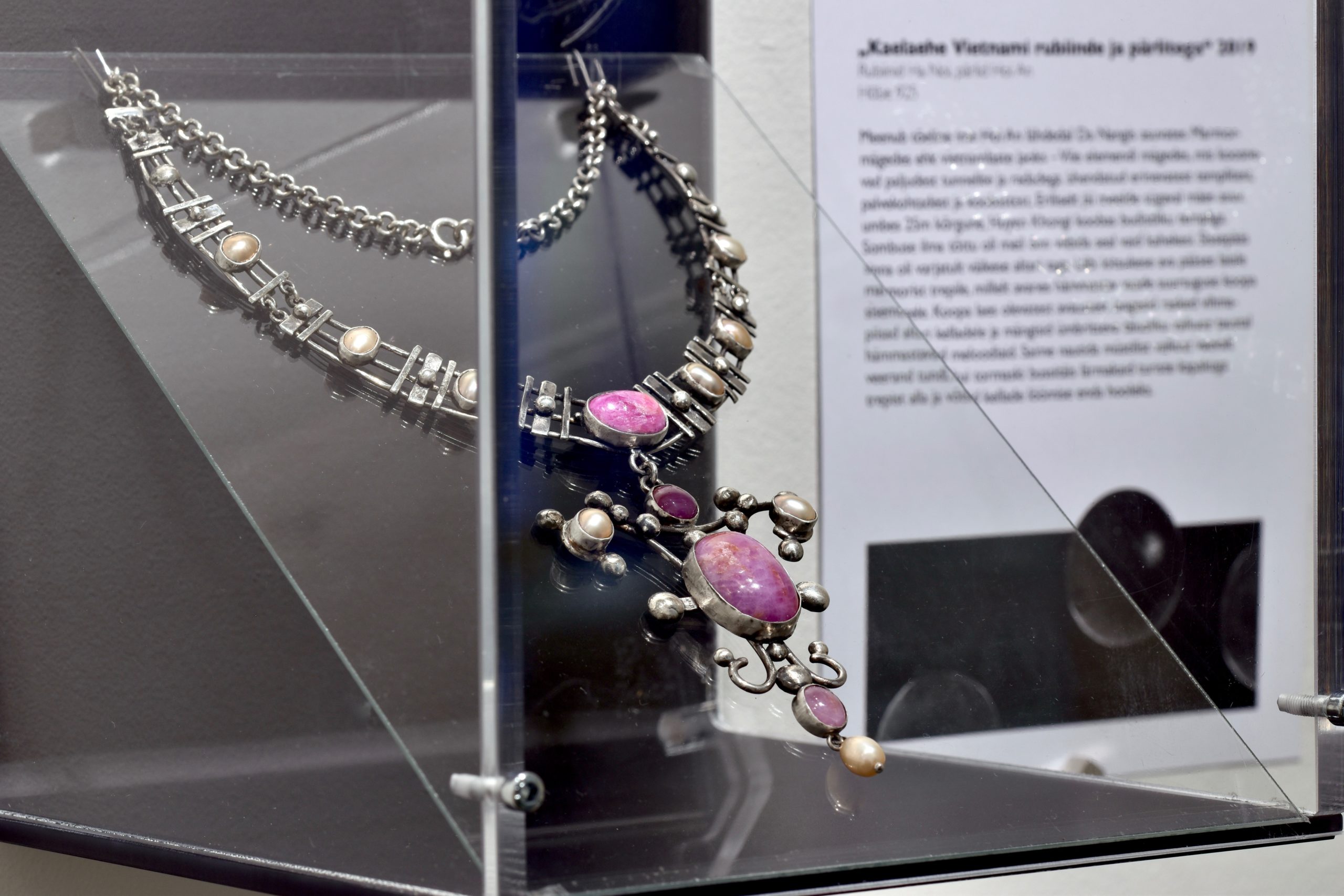
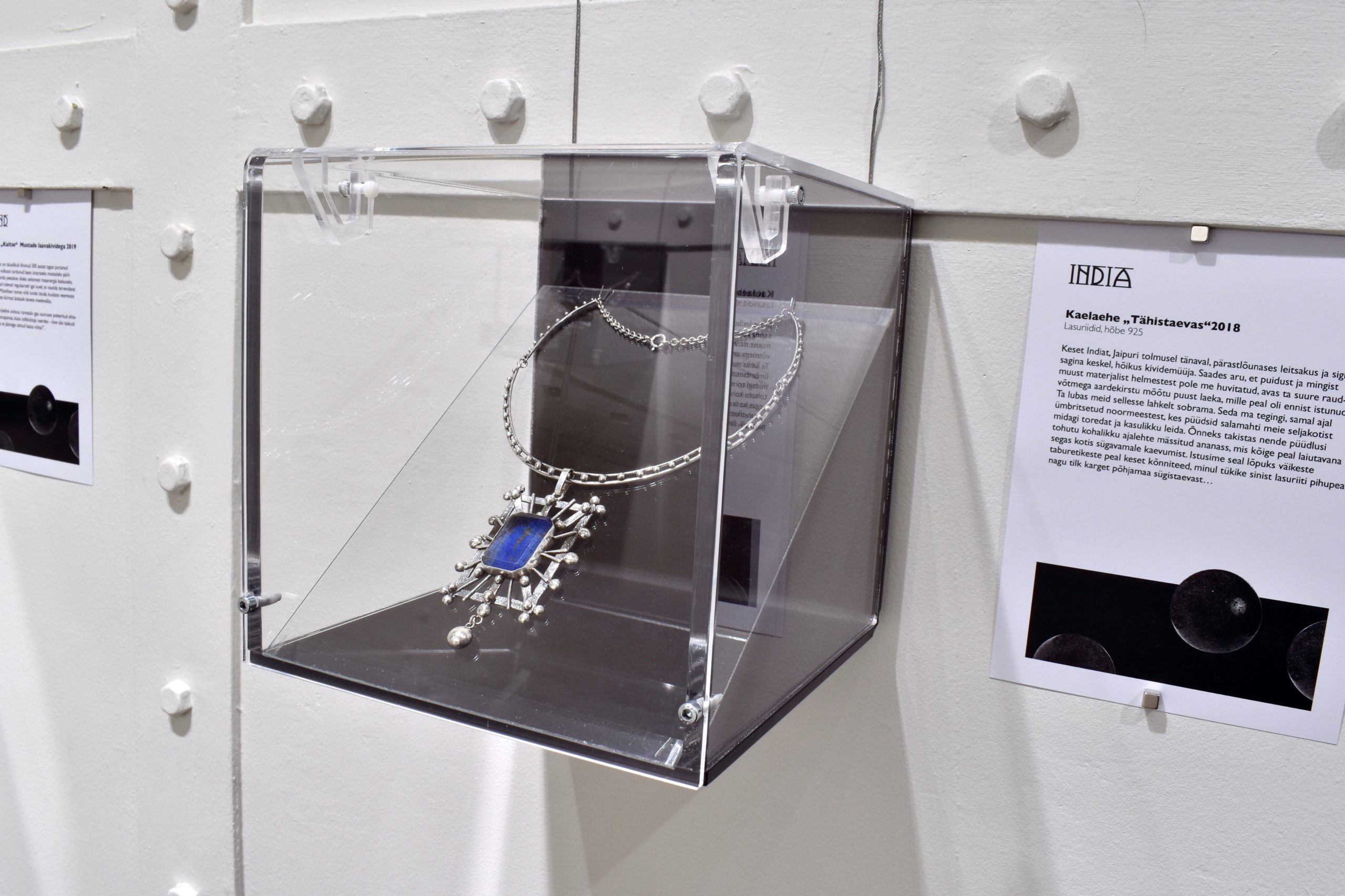
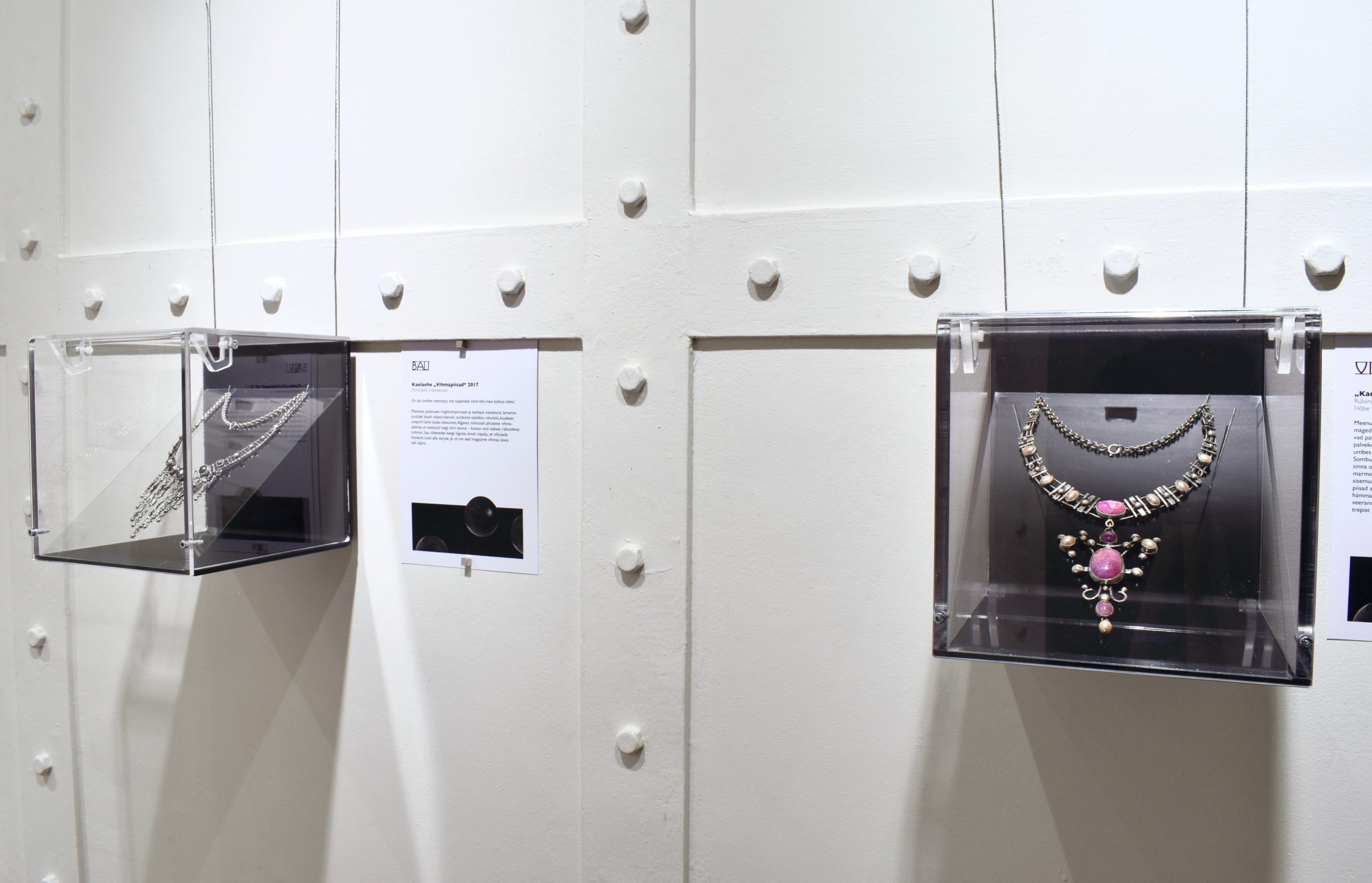
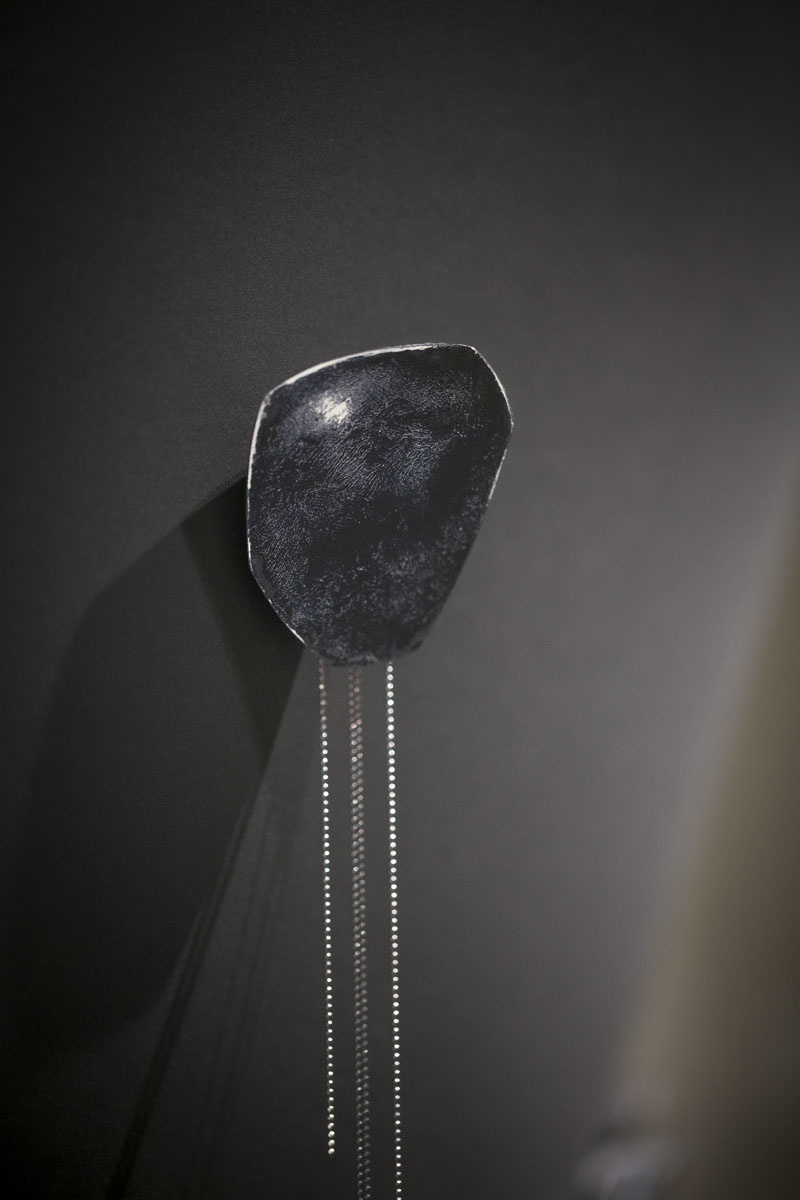
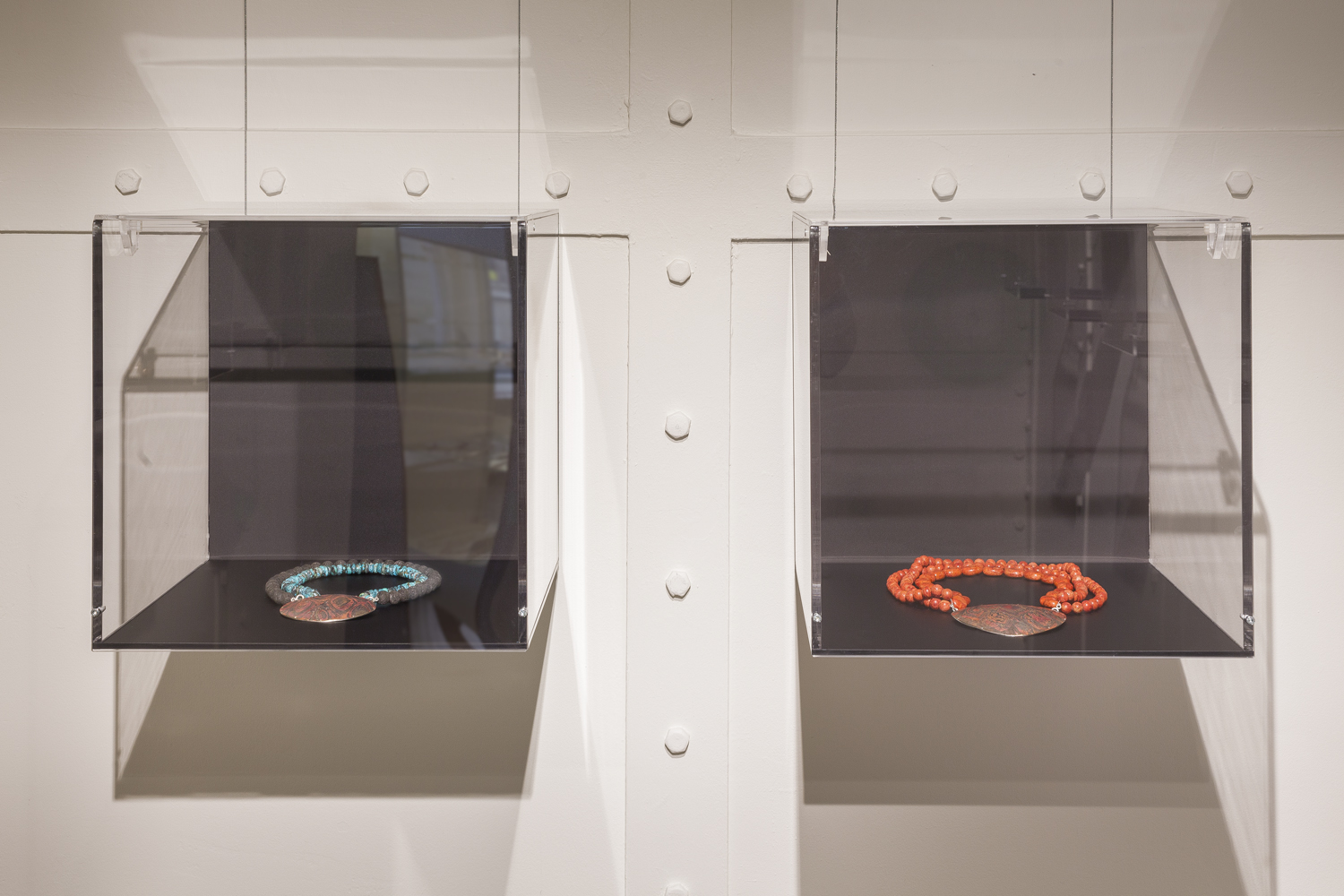
This exhibition is a brief look back into my box of stones, where a fair amount has accumulated over time. People have often asked how one stone or another has made its way into my collection. I love to travel and go on adventures, which is no doubt one of my greatest sources of inspiration. To see and sense the symbolism, colours and incredible nature of different countries in all of their diversity. As a medium I like silver, with its multitude of soft half-tones. I often use various different symbols carrying protective powers in my work. Our own octagram, sun cross and certain runic symbols have become my favourites.

The necklaces on display contain stones and pearls that are very special and dear to me. I have taken them out of their boxes before, admired them, and when putting them back have thought that it’s not their time just yet. Now they’re here before you, each of them with their very own story.

Back Posted on

THE WILD STORY

The dream remains
encounter while swimming in the woods
meet a golden horned deer.
The dream remains.

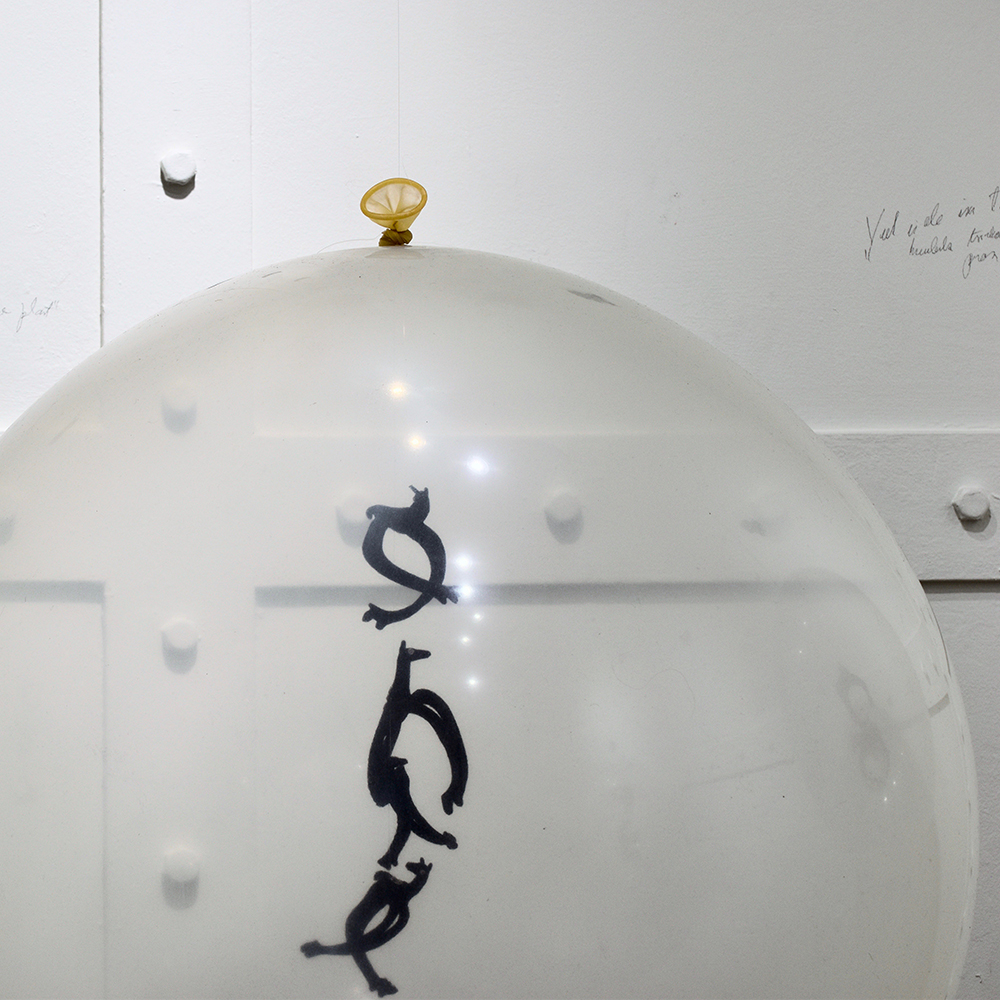
I come from a family living in the middle of the woods. My father Evald was a third-generation forester. Happy person – heart at work – free as a bird. Even while working on the railway in Riga during the war, Dad was a daily visitor to the local zoo. Evaldi’s only and great holiday was Christmas. Then there was no hunting, but the forest did go. All the children were packed, the laan people had to be taken care of. The forage nurseries were filled with Christmas food. At the former ancestral farm, where only a few stubborn apple trees and piles of stones were left, jewelry and candles were lit on a spruce tree, food packages under the branches. So it’s still a real Laanerahva Christmas party. I don’t know about the animals, but the children were always happy. As a resident of Tallinn, I went with my son to bring food to the zoo’s forest nursery on Christmas Day. Oh luckily, we saw how the wild goat came to look at what was waiting for us. As an old man, my father went “gilding gold” whenever possible. Nowadays, meditating in the woods. The animals also ate nicely – they were not ashamed of anything. Old times and old paths and old people and happy memories. For 20 years now, my father has been staring at the starry forest.

And me finding a horn in the home forest I can think of it as golden for a golden timeless life or fortunately.
The dream remains.

Trees to hide as a deep secret,
which time will never disappoint.
And in the secret force it remains faith,
who spends his youth in the woods.
(A verse from the poem “Old Tracks” by Juhan Sütiste.)

Back Posted on

A BETTER TOMORROW

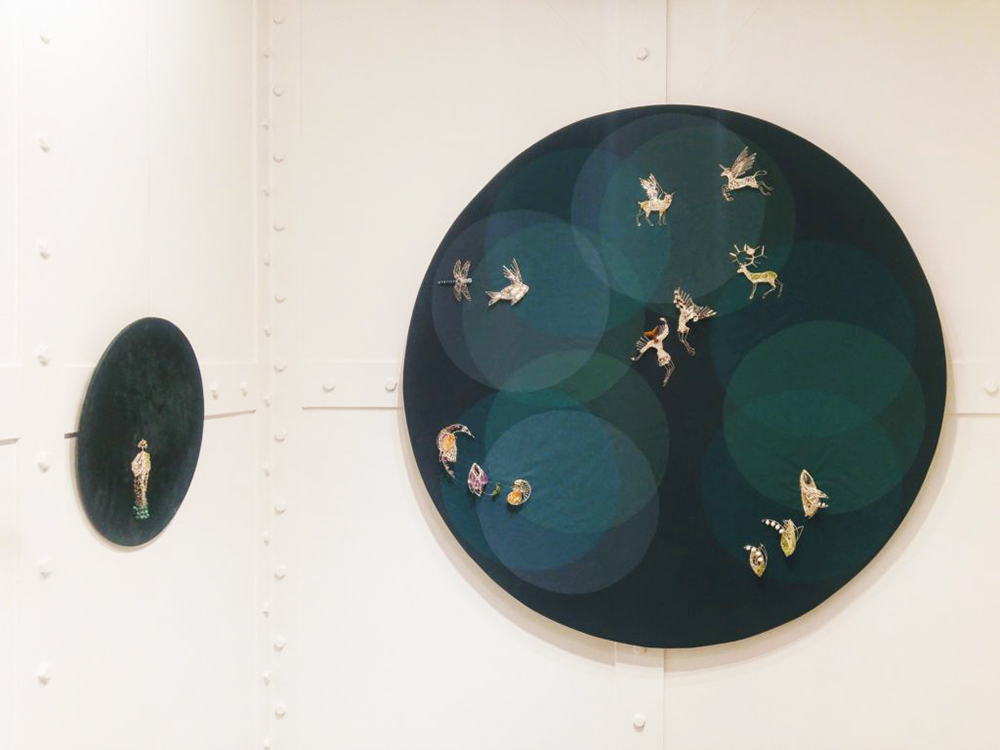
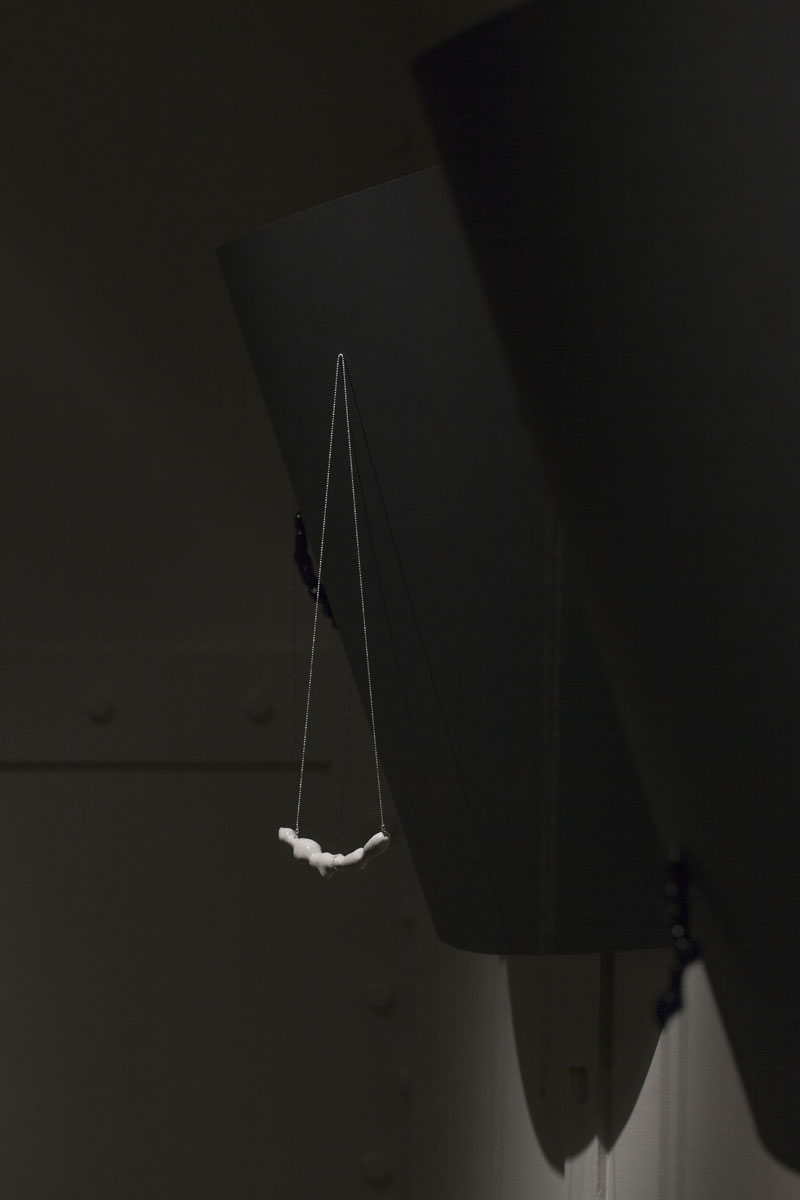
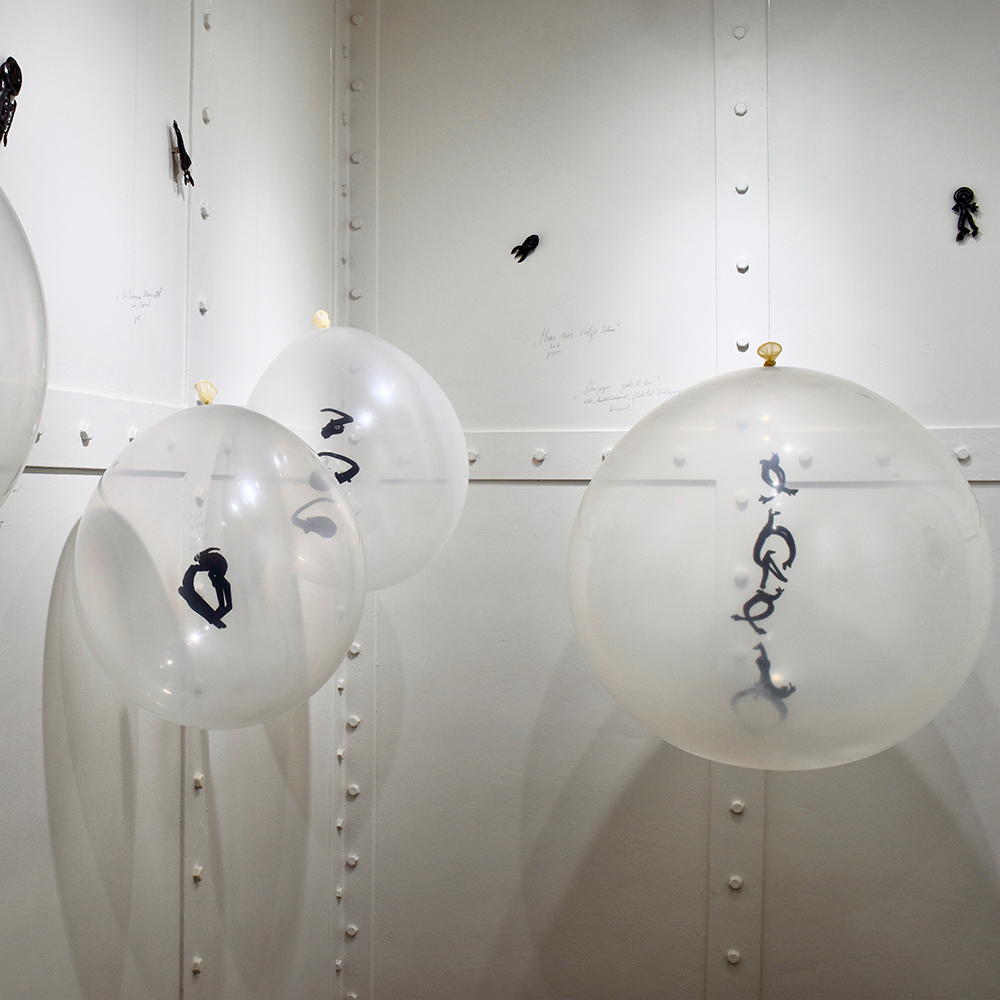
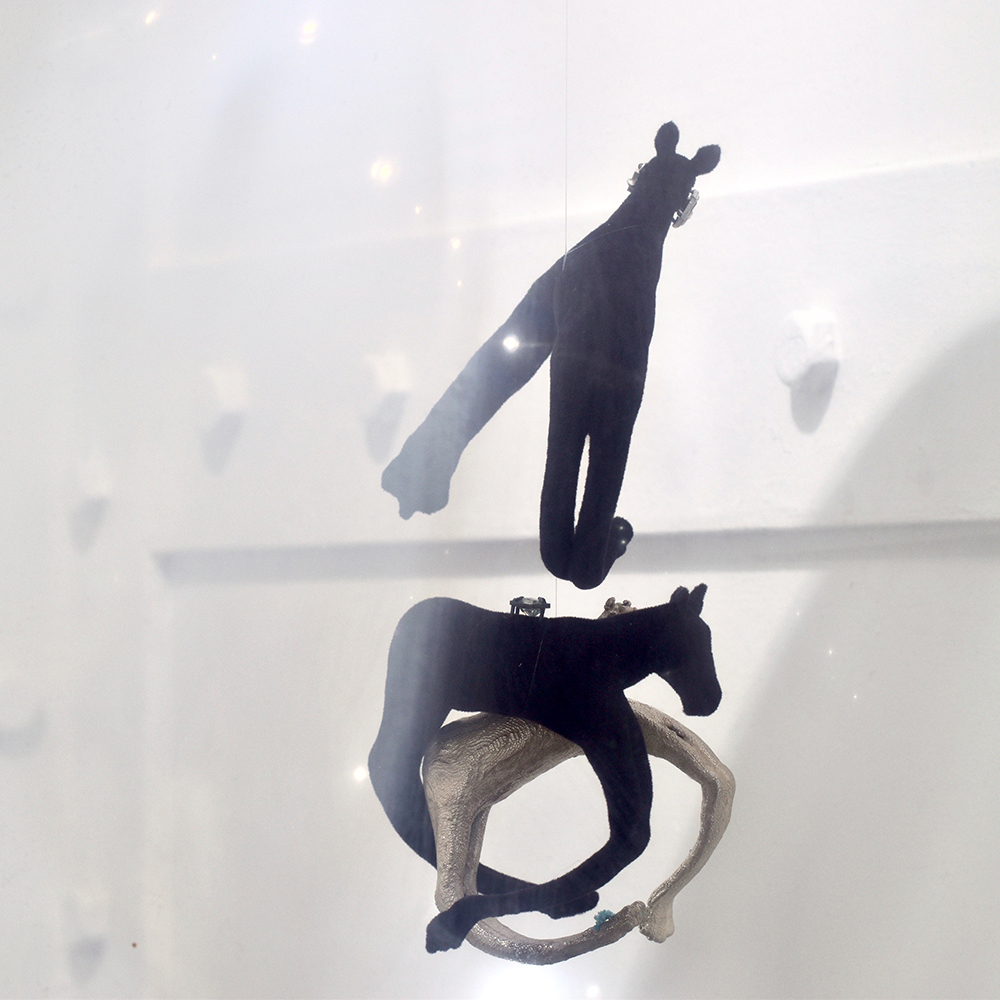
A BETTER TOMORROW is a utopian reflection on keeping something delicate and fragile, on how to get out of danger quickly today, if at all possible. Would the solution be a spacecraft that can accommodate animals, among other things, because nature alone cannot slow down climate change in the current circumstances and we will soon have no place on earth? The summary of the 2018 World Climate Conference states that in less than a hundred years, more than 60 percent of species richness has already become extinct due to the rapid development of industry. Mass extinctions will occur in 50 to 500 years if politicians do nothing urgently. The world is like a pawn of different species and animals, some with a belly full of plastic, others with space oxygen bubbles in their heads, and crooked animals compressed into a single spaceship.
3D printing that is later galvanized (including embossed characters and iridescent gemstones).

Marita Lumi graduated from the Estonian Academy of Arts in 2015 with a master’s degree in jewelry. He studied in Strasbourg, France and at the Institute of Geology at TUT, and lived in Porto, Portugal for some time. Participated in many exhibitions, been a nominee of the Young Jewelry Award in 2016 and 2017 and the winner of this award in 2018, in addition a nominee of the Estonian Gold and Watch Association’s 2017 Estonian Jewelry of the Year competition and the winner of the 2017 A-Gallery jewelry competition.

Rait Siska, Paul Villemi, Danero Toomsalu, Alo Allar Altmets helped to organize the exhibition.

Back Posted on

MOONDED

Exhibition works are suggesting to questions about human, world and integrity. Transformation within growing and generating touches every stage and aspect of life. Different transformation outcomes coming from identity and allegory of roleplay are part of people everyday life.  Adaptation is always related to some kind of metamorphoses. Main materials used in works presented are cuttlefish bone hided into ink and acrylic. Cuttlefish, living in eastern part of Atlantic and Mediterranean Sea is also called ink fish. It is because during evolution it has adapted ability to protect itself with ink it erupts in case of threat. Ink then acquires the shape of cuttlefish which acts as bait and mudding waters when fading. It helps the cuttlefish to escape from threat.
Back Posted on

IN GOOD TIME

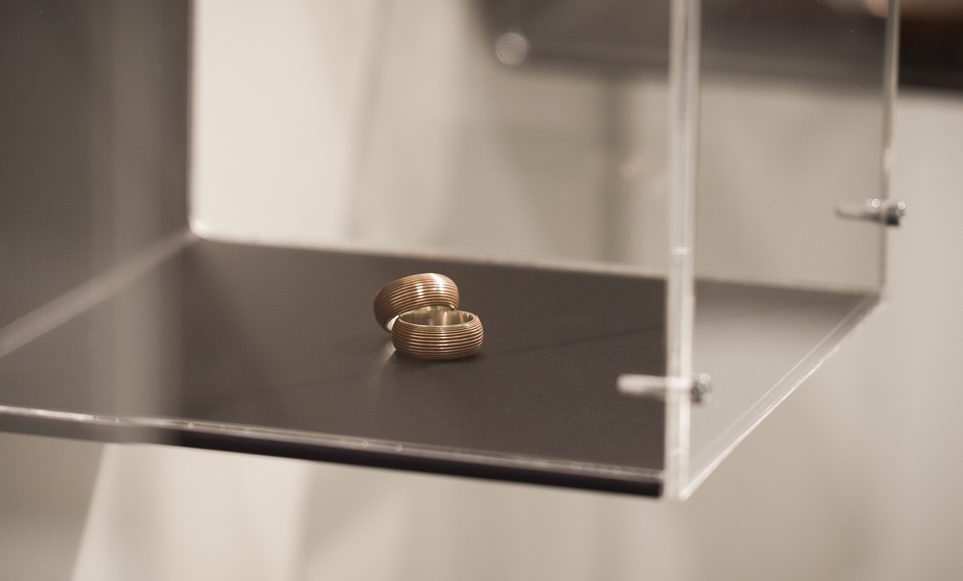
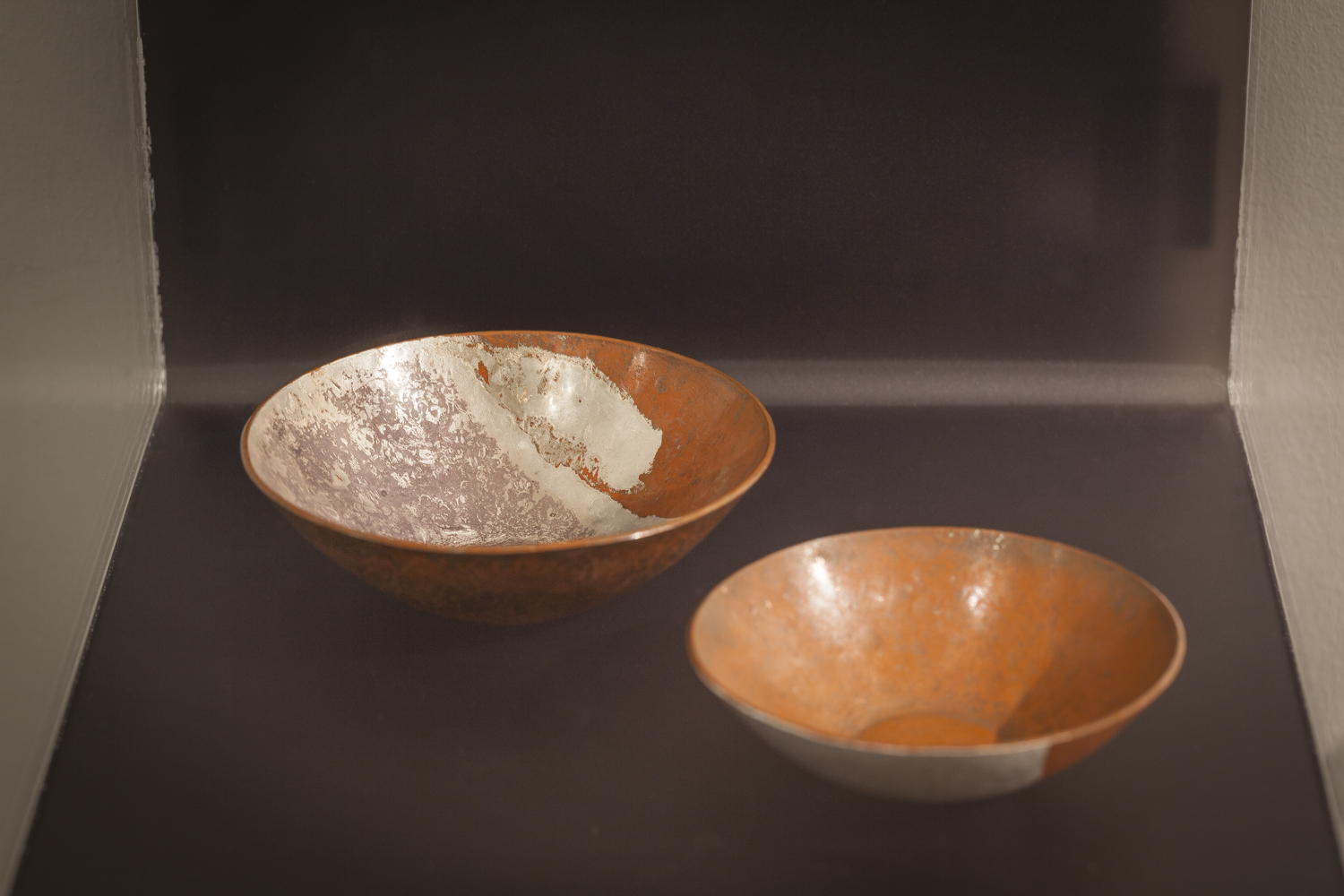
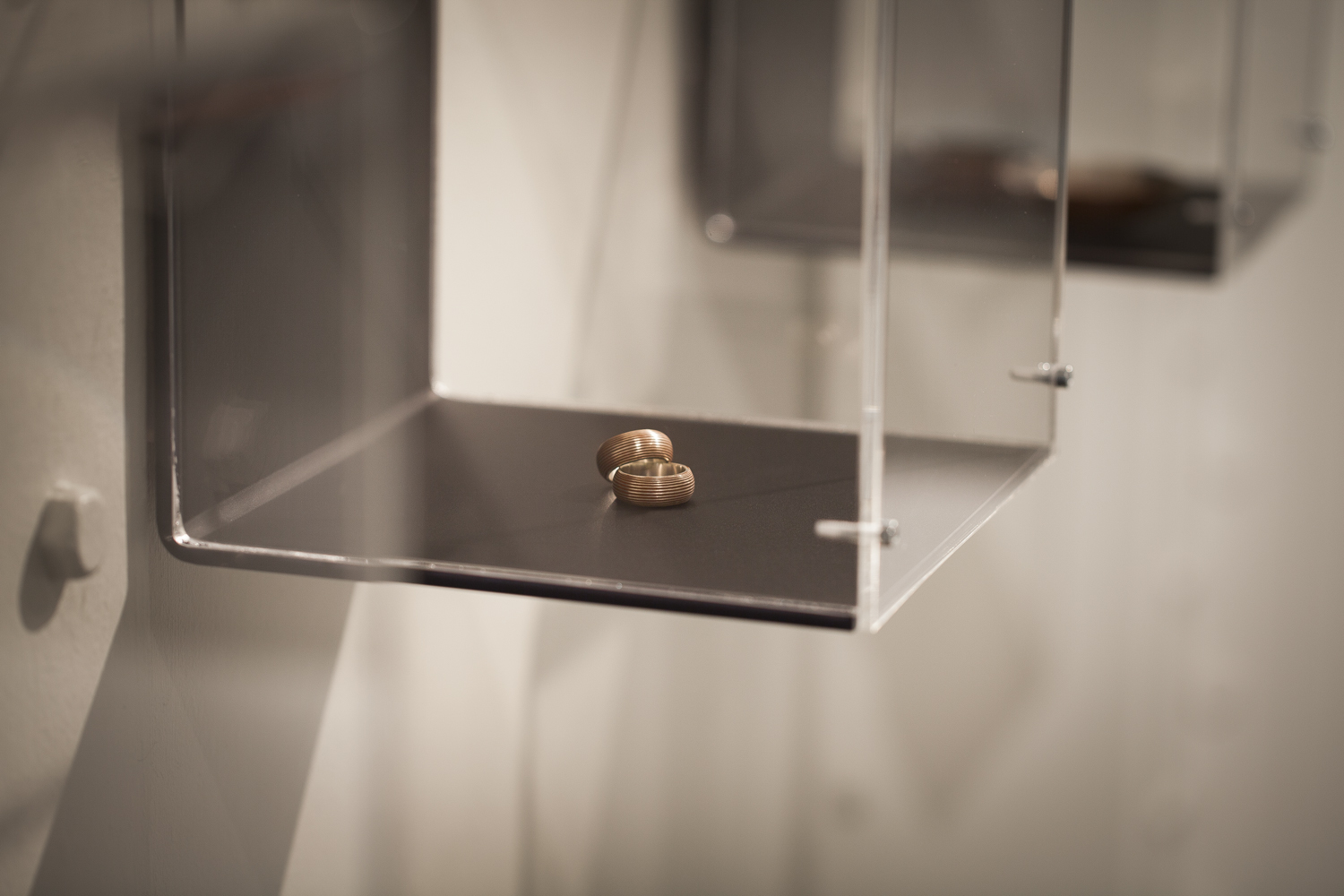
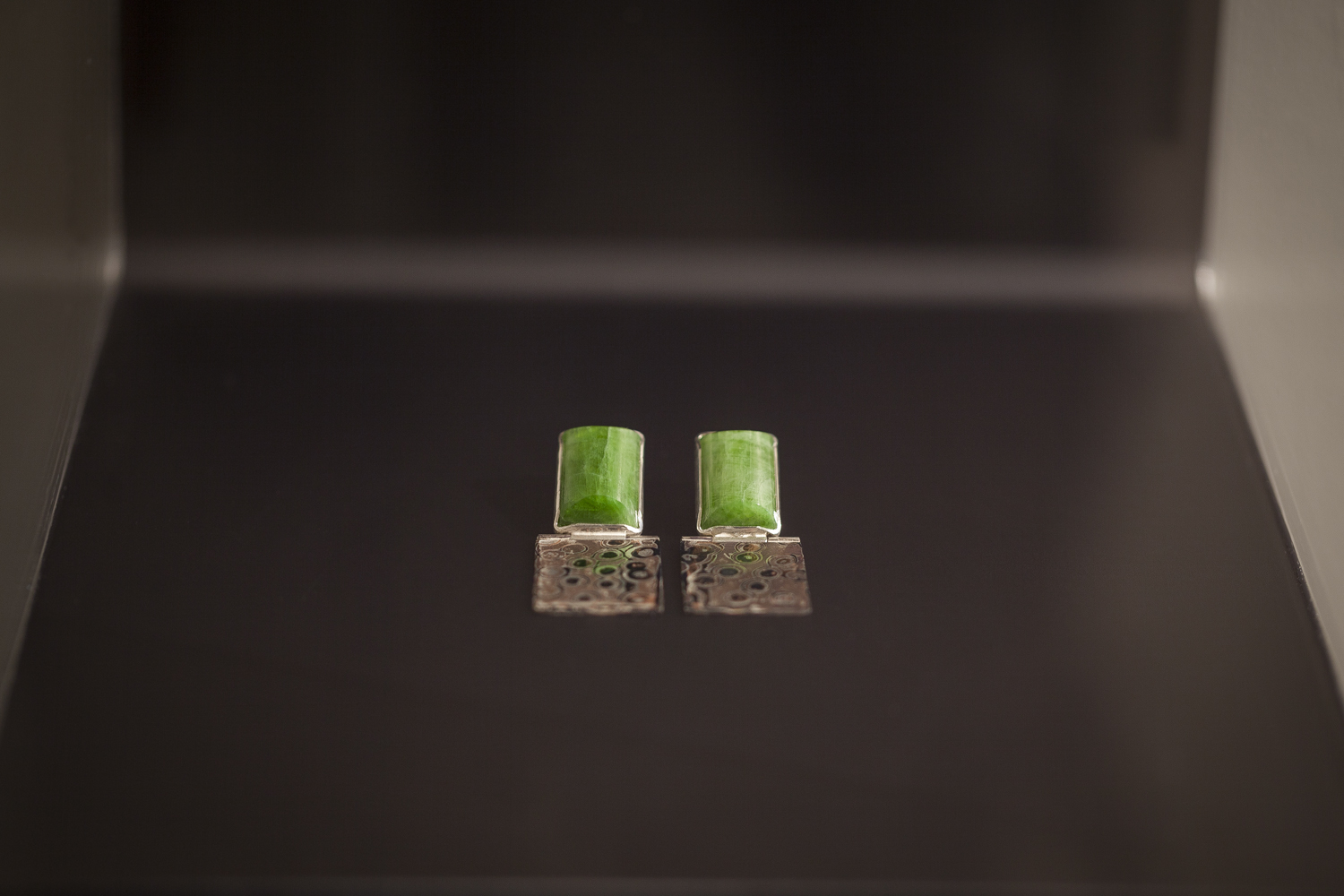
At her exhibition IN GOOD TIME the author presents jewellery and utensils created in Japanese metalworking procedure called mokumegane. The works made in this technique greatly differ from the usual high-gloss polished metal objects – the multicoloured surfaces of the mokumegane objects have an organic effect. Multilayered patterns draw our full attention while inviting us to follow the lines and tracks seen in the material.   Anni Kagovere has graduated from the department of jewellery art at the Estonian Academy of Arts and obtained a MA degree in Tokyo University of the Arts. In her work, Kagovere focuses on mokumegane technique. She has held mokumegane courses at the Estonian Academy of Arts and Viljandi Culture Academy.