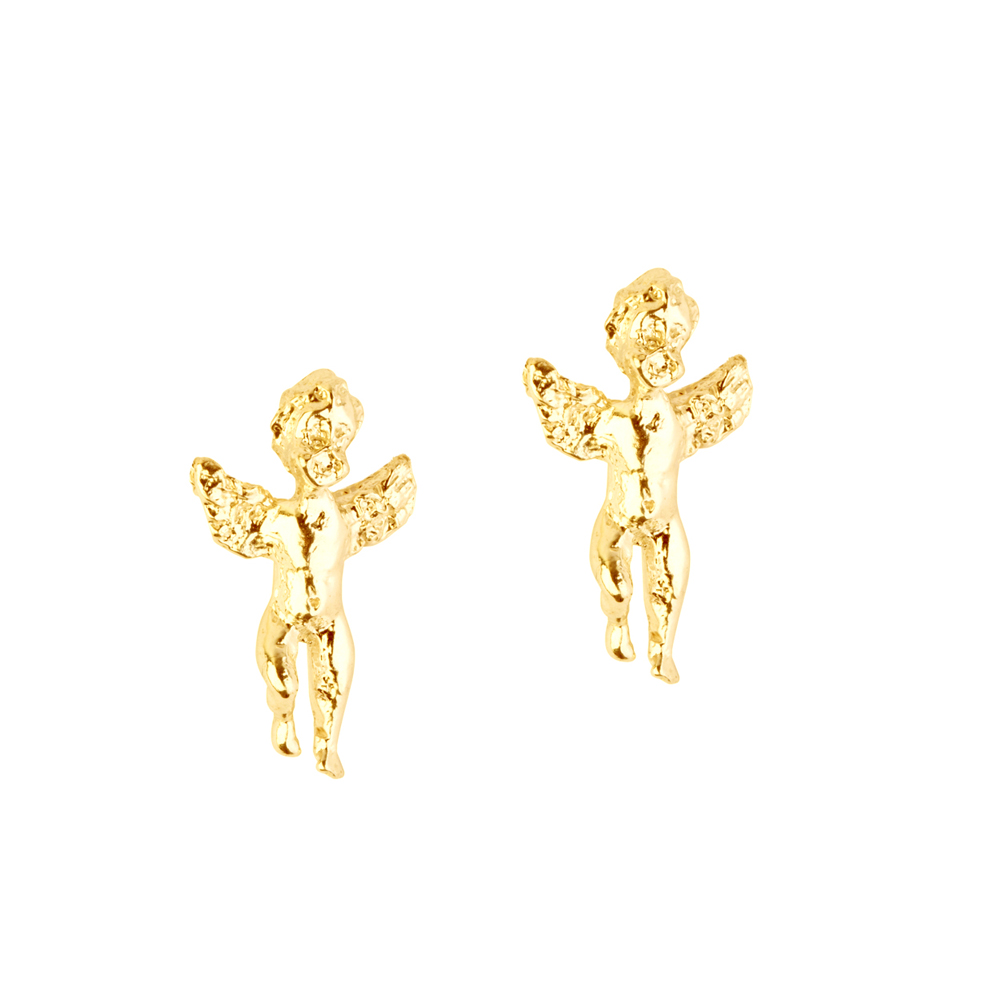
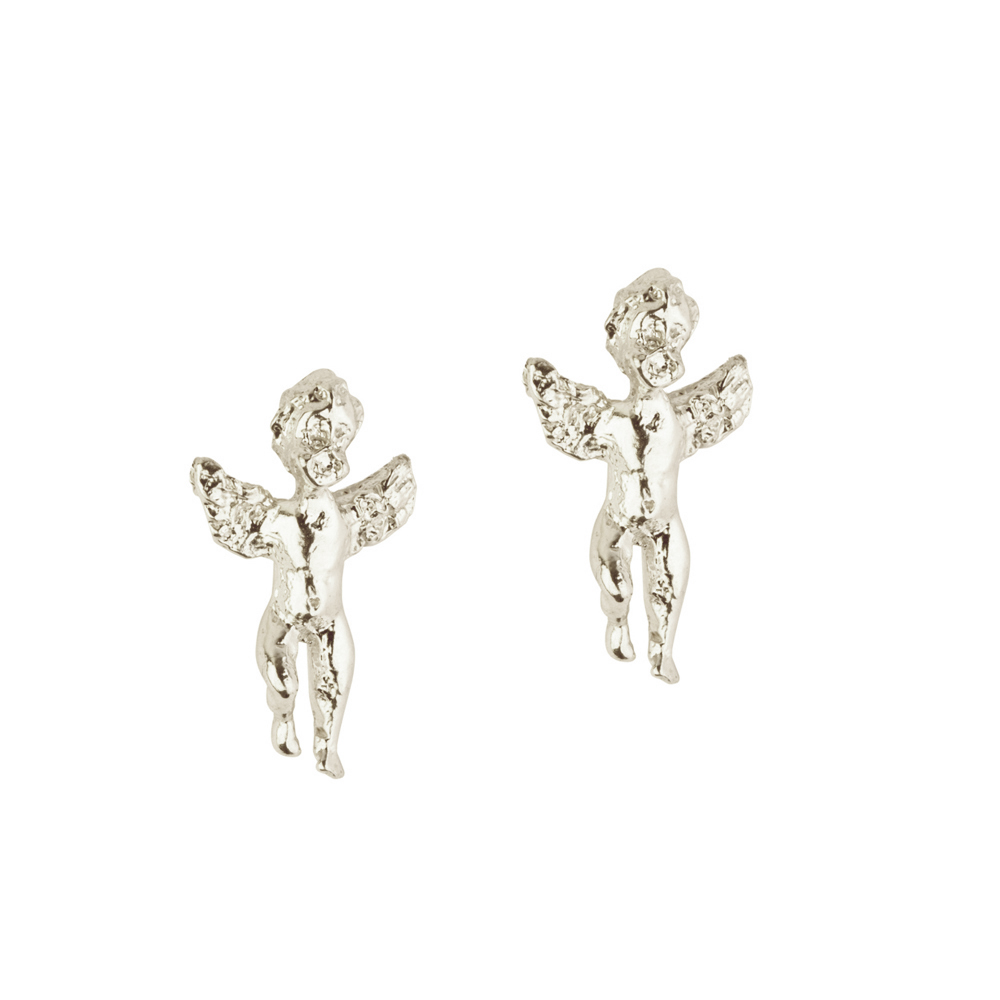
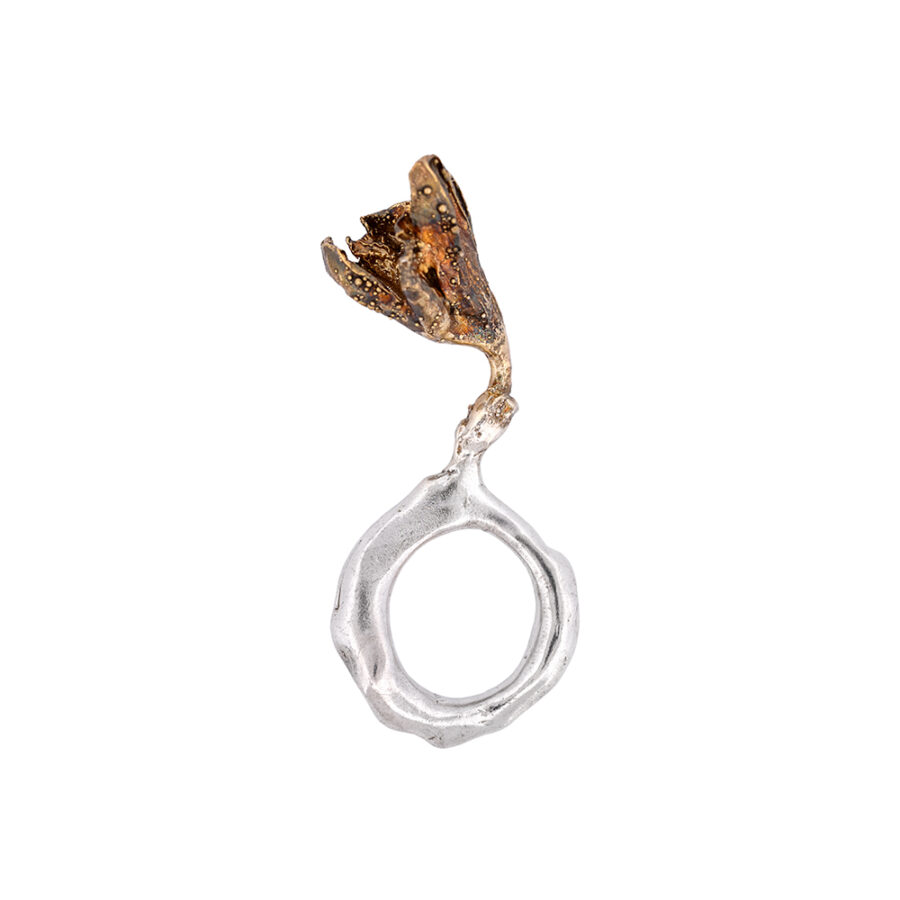
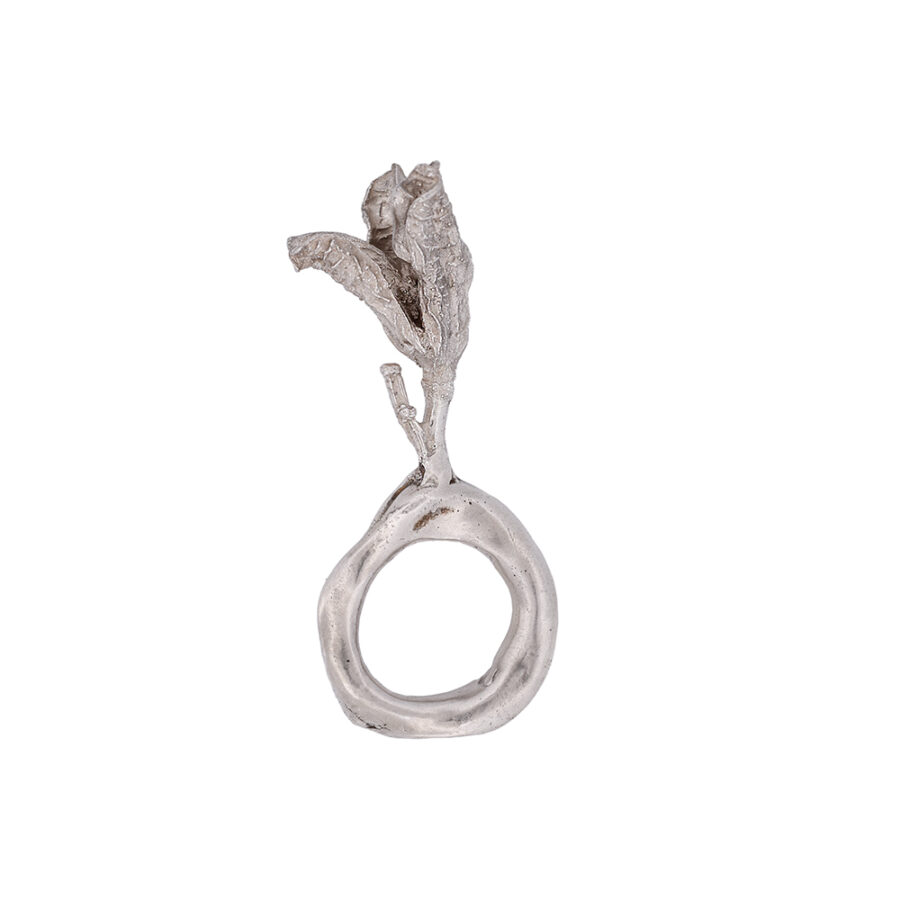
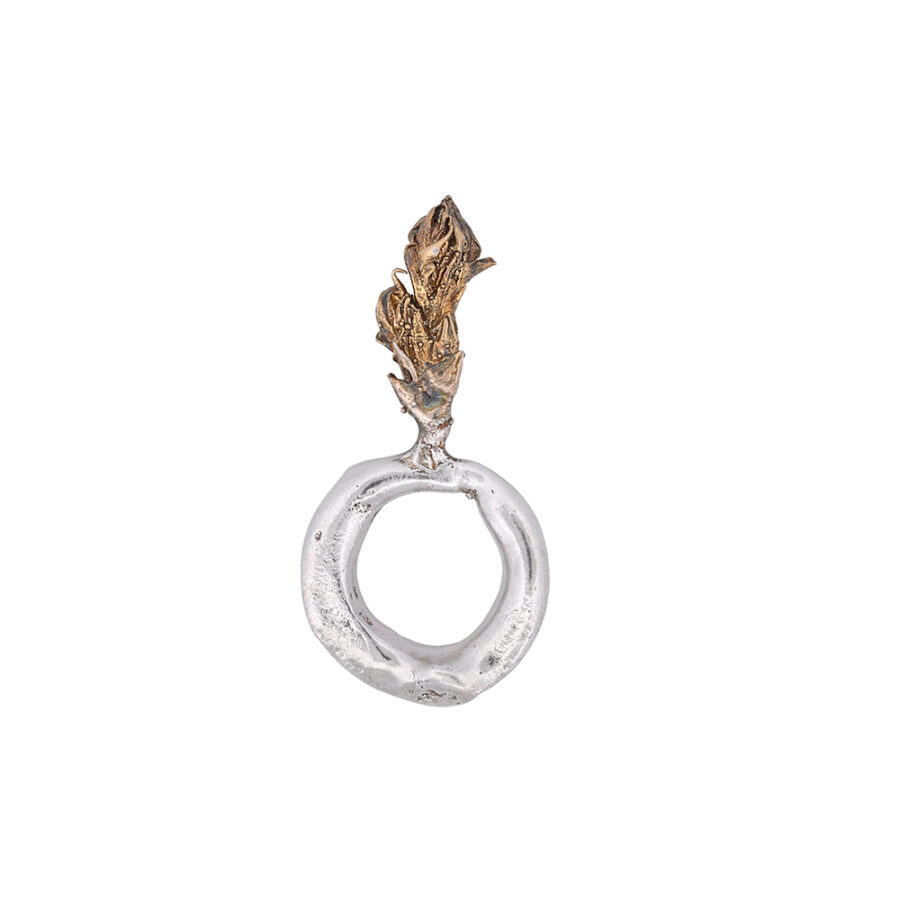
ERLE NEMVALTS
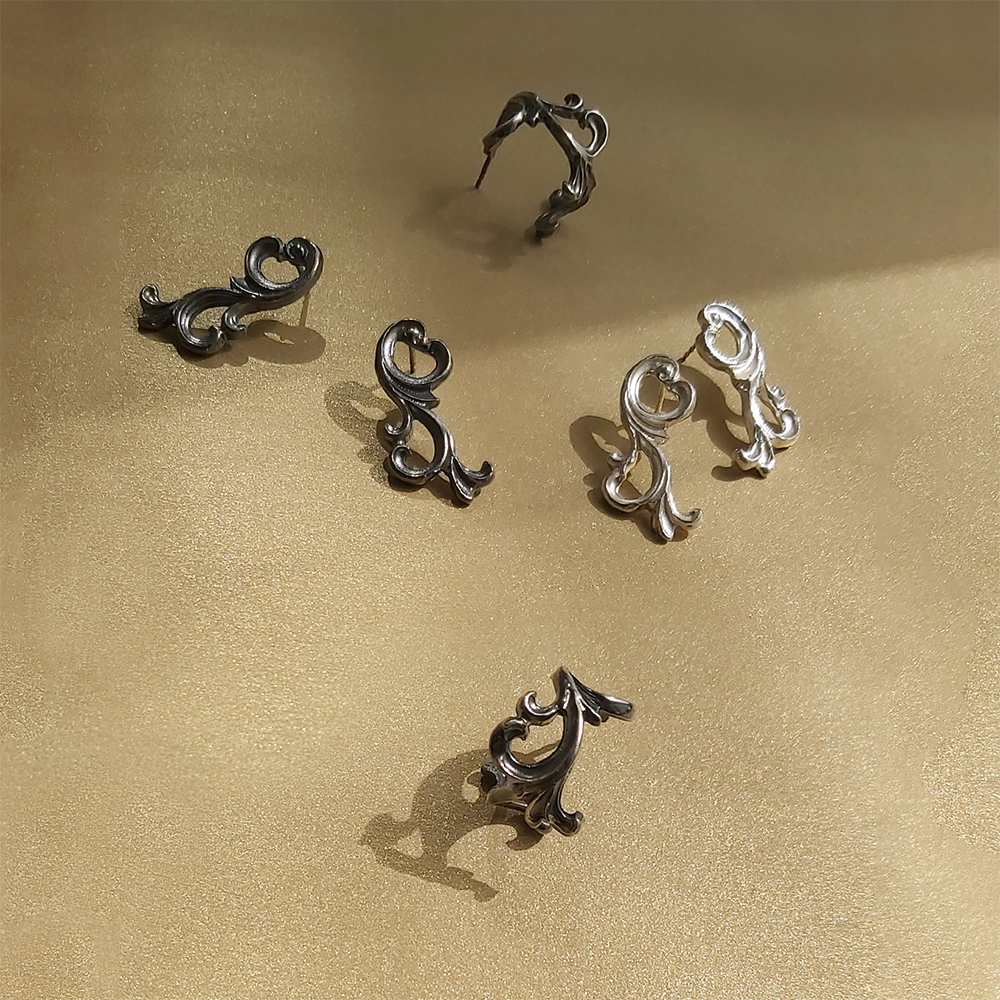
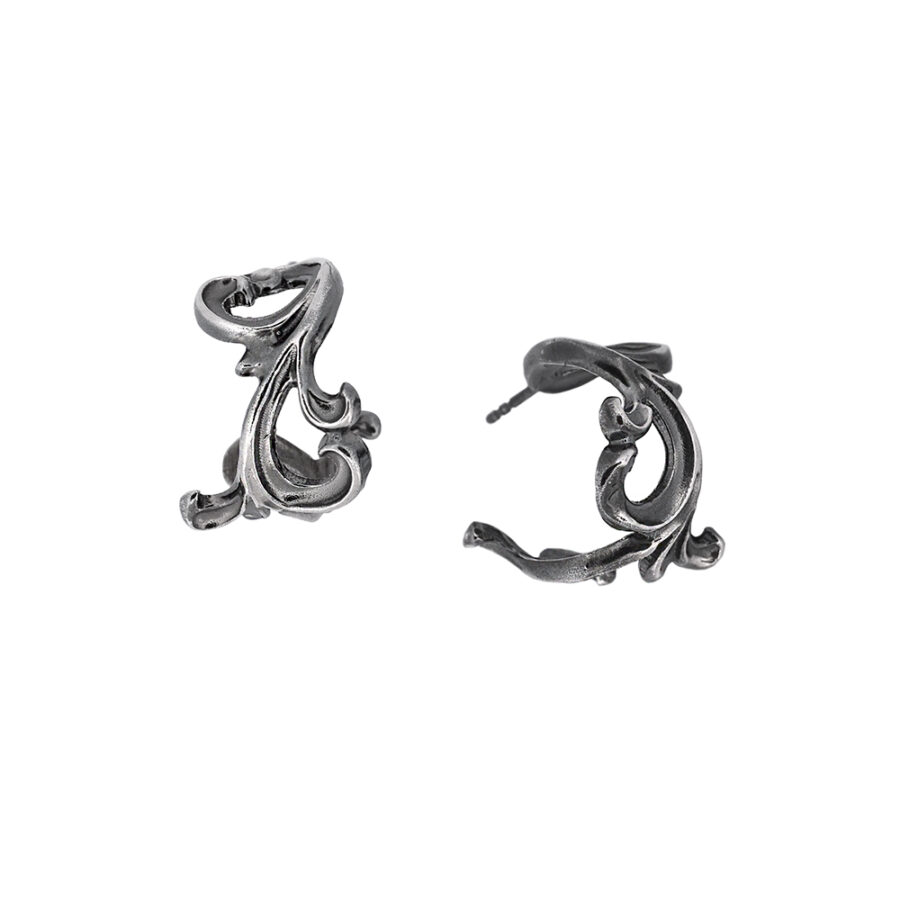
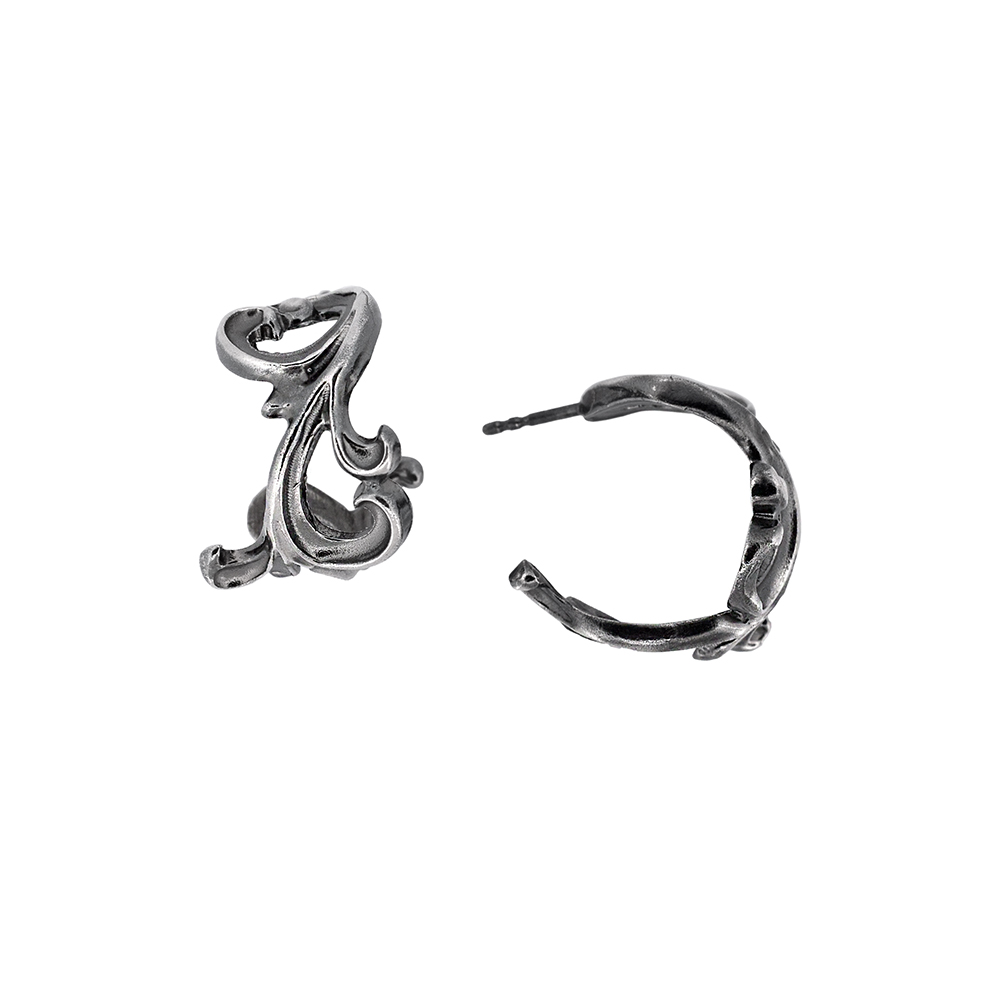
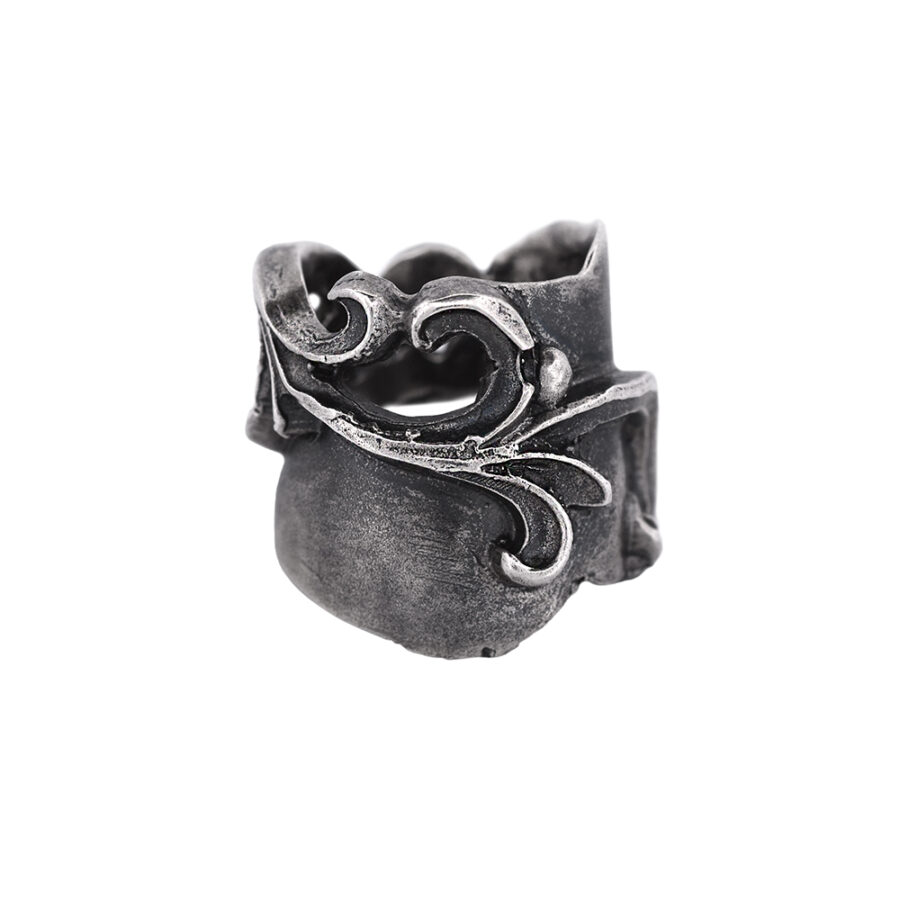
ABOUT LOVE AND OTHER STORIES
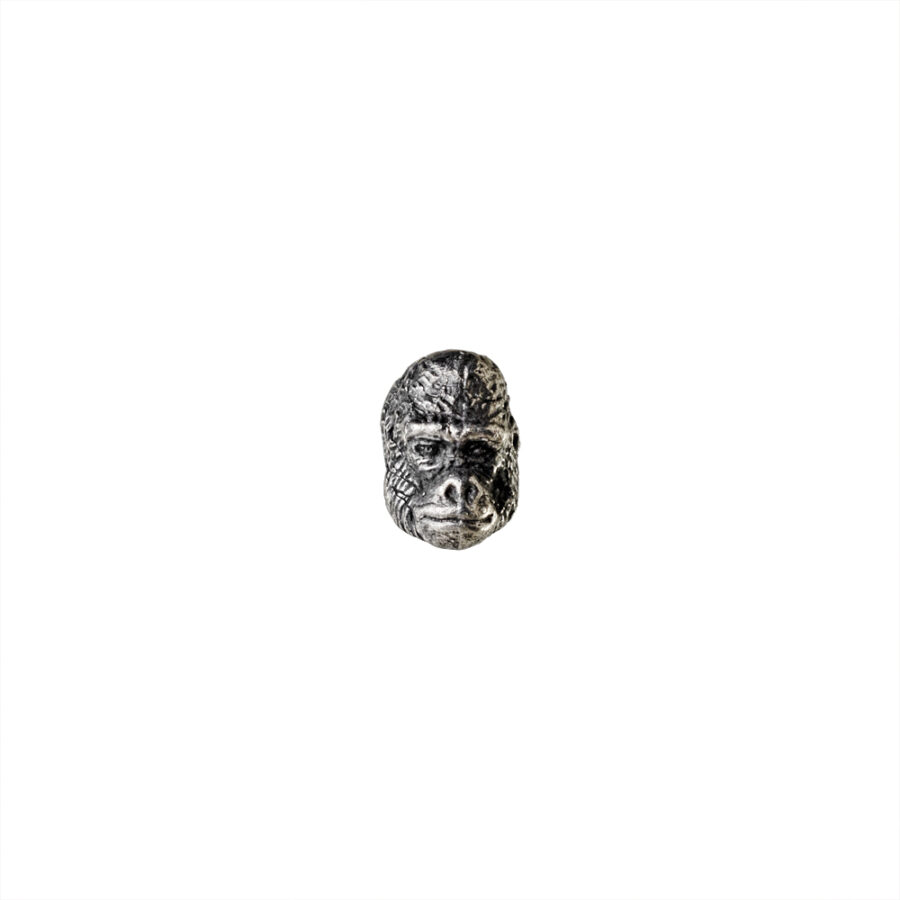
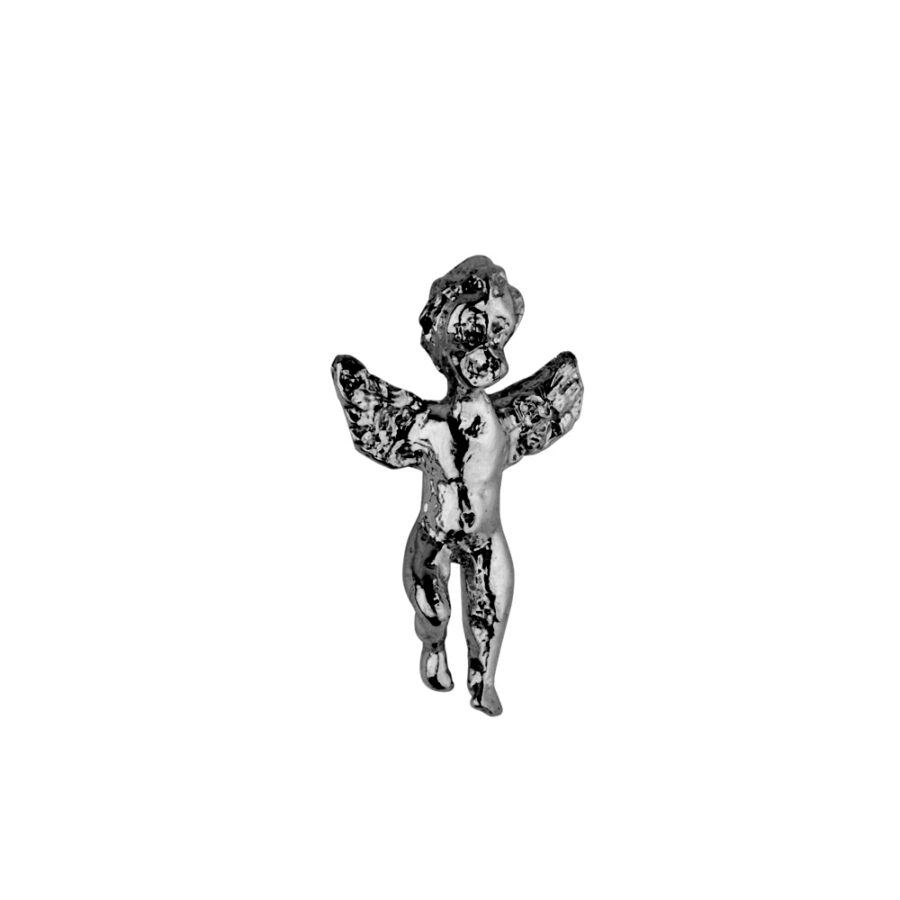
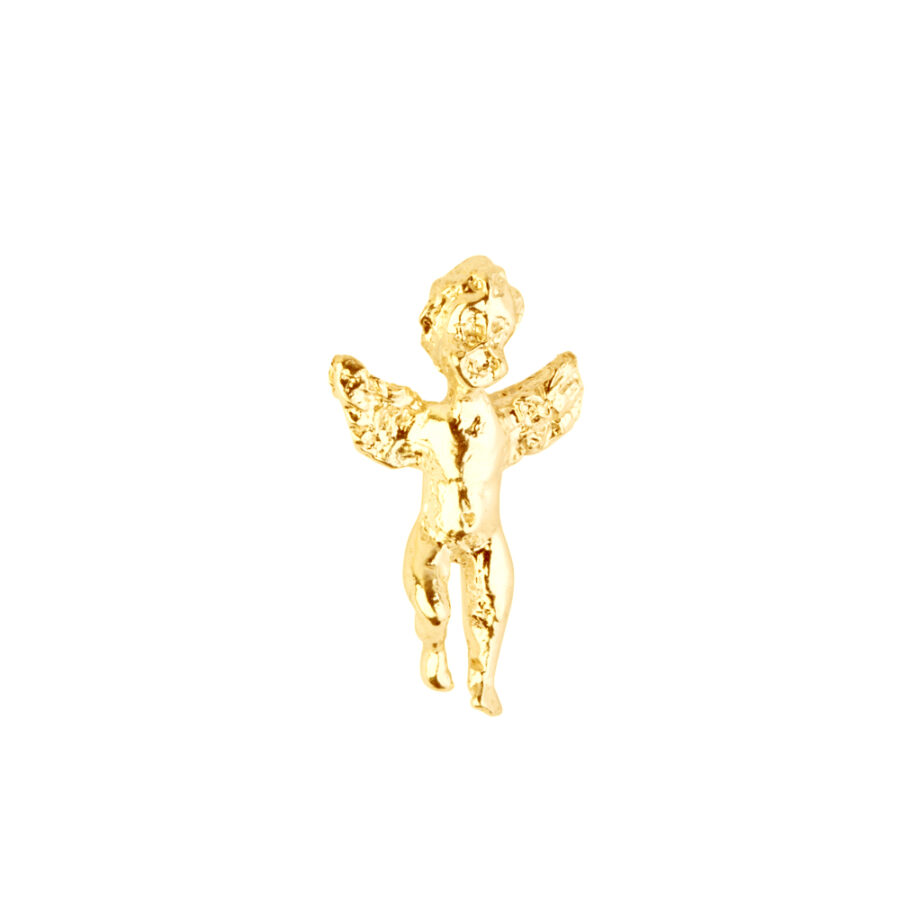
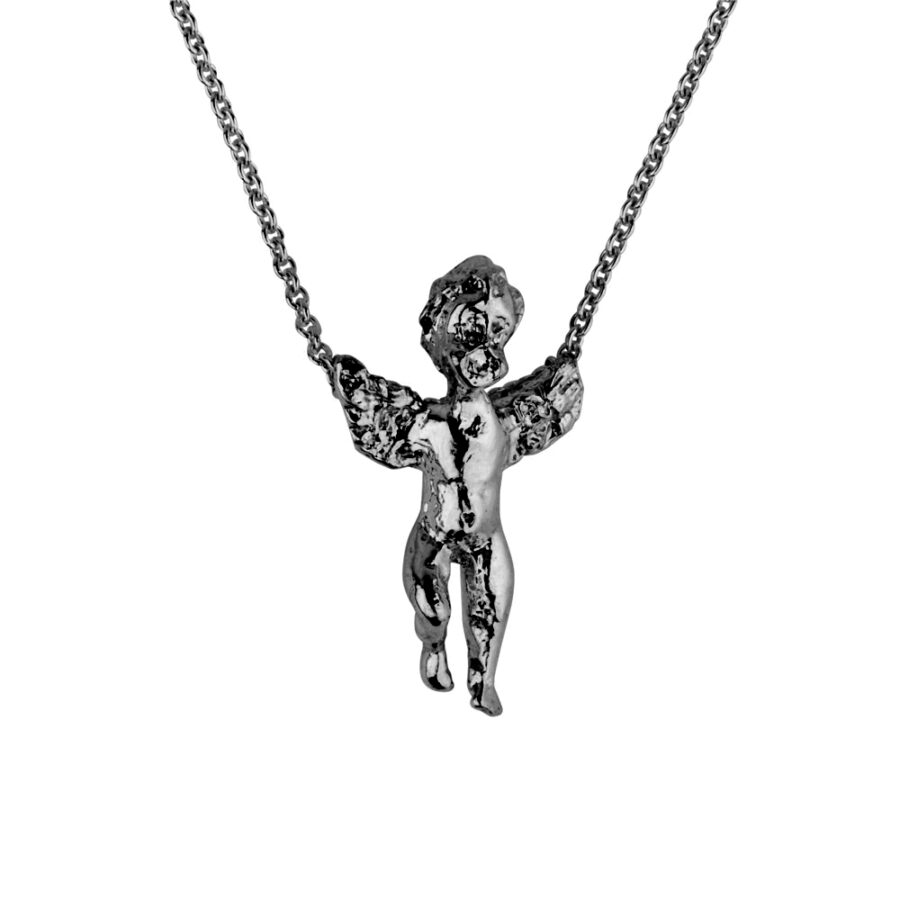
Through generations, fairytales have been reservoirs of dreams, hopes, and fantasies. Millions of women have shaped their psychosexual self-image through these tales – what behavior is expected of them, what they are capable of, how much recognition they deserve, and in what shape this recognition should come in. Unfortunately, the romantic ideal depicted in fairytales is difficult to fit into reality. How to find a balance between the longing for a companion, the fear of loneliness, and the desire for independence? Love is the answer, but as you seek for the answer…
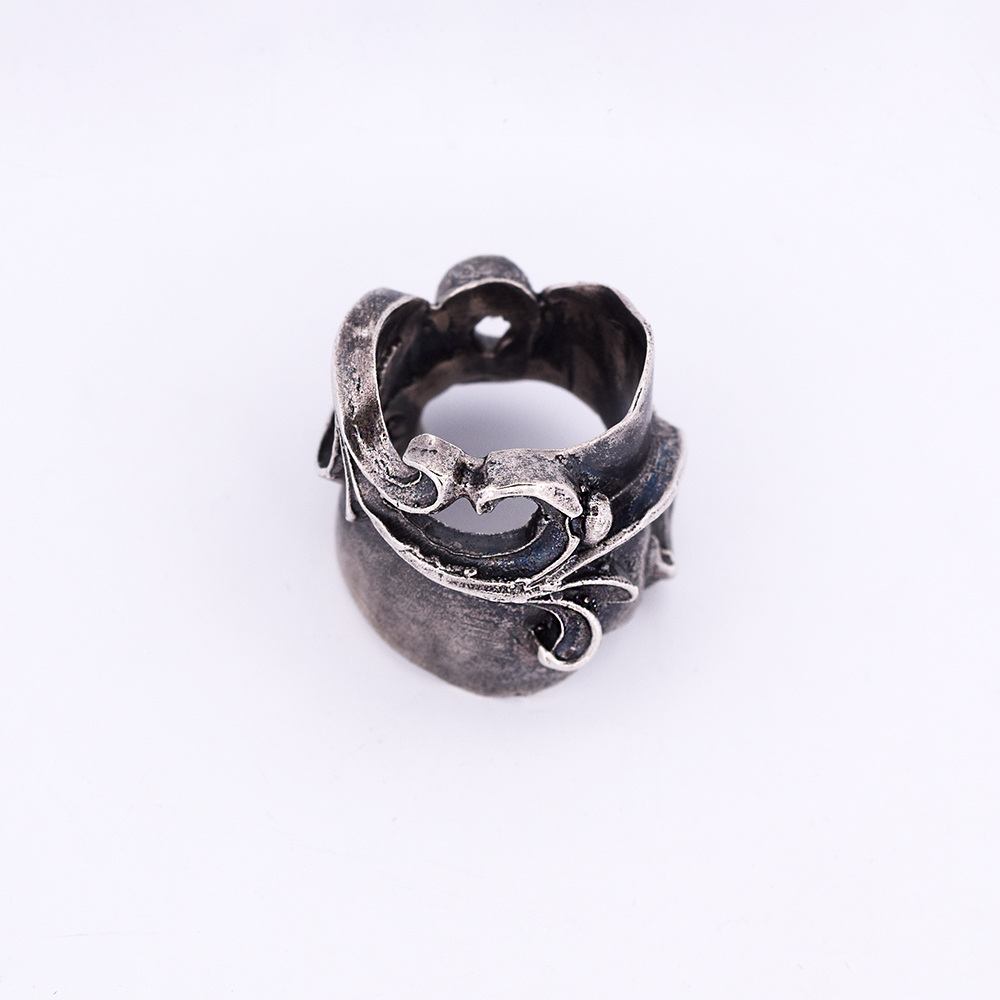
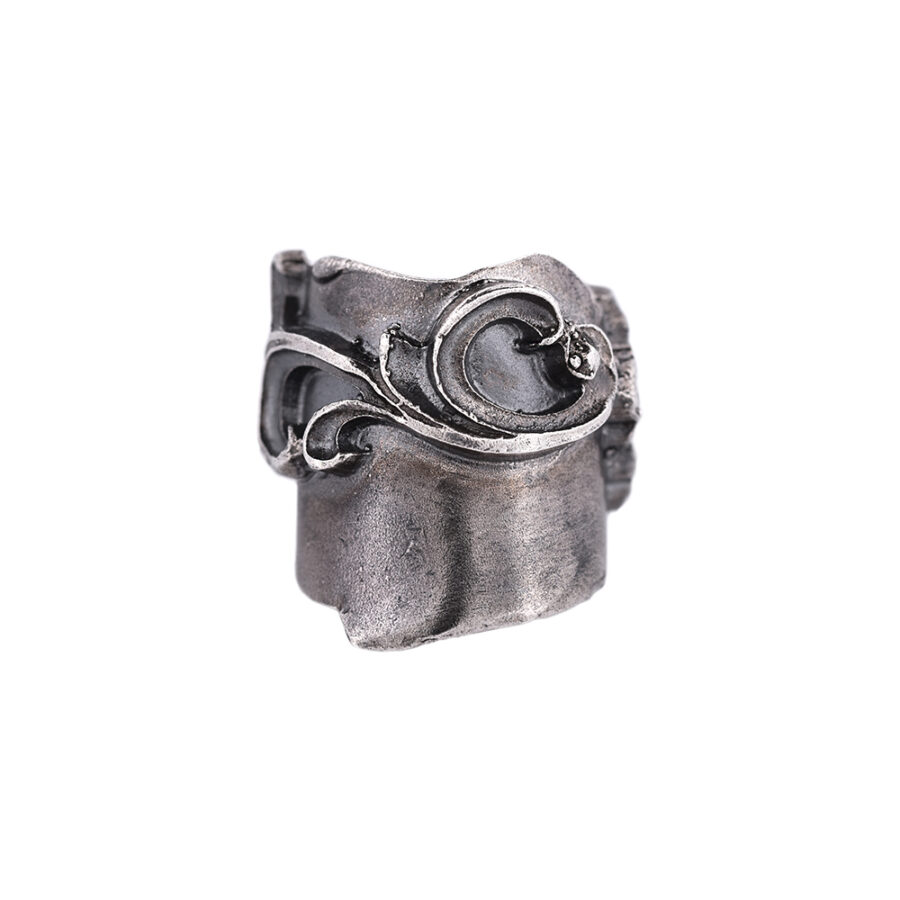
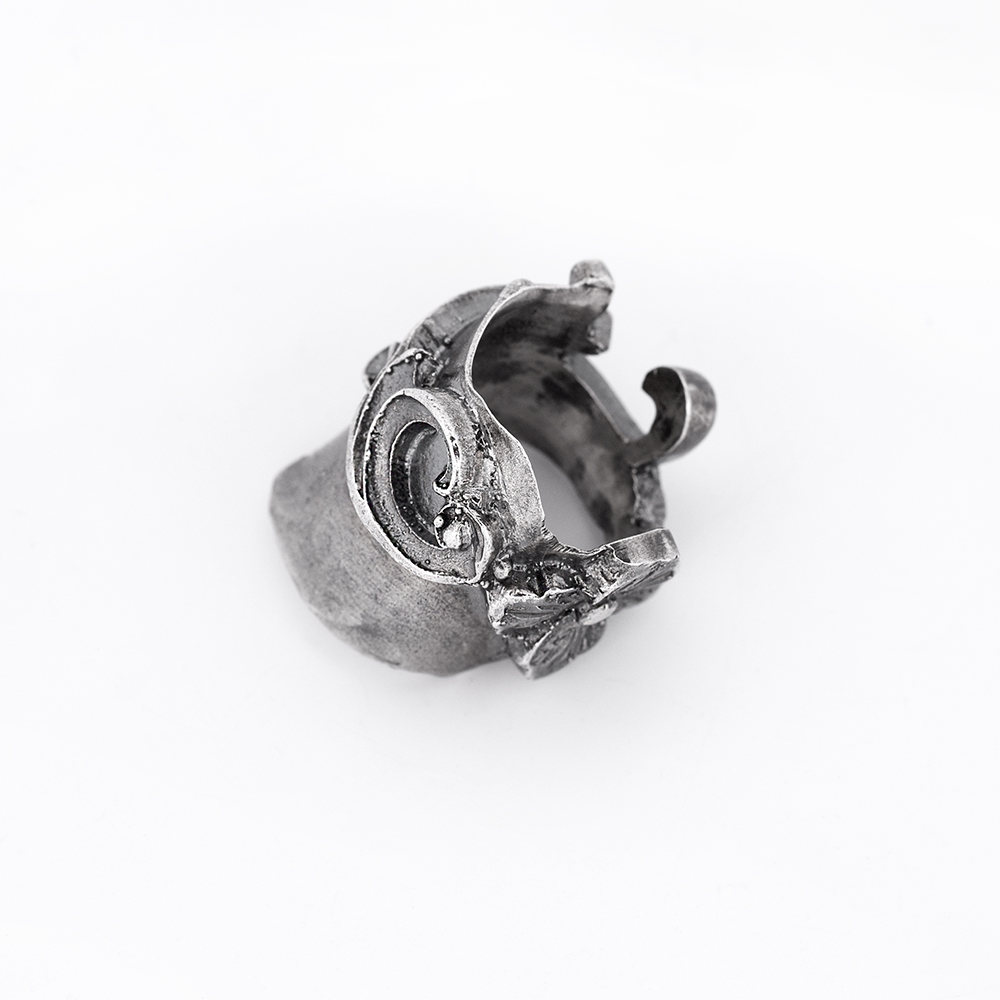
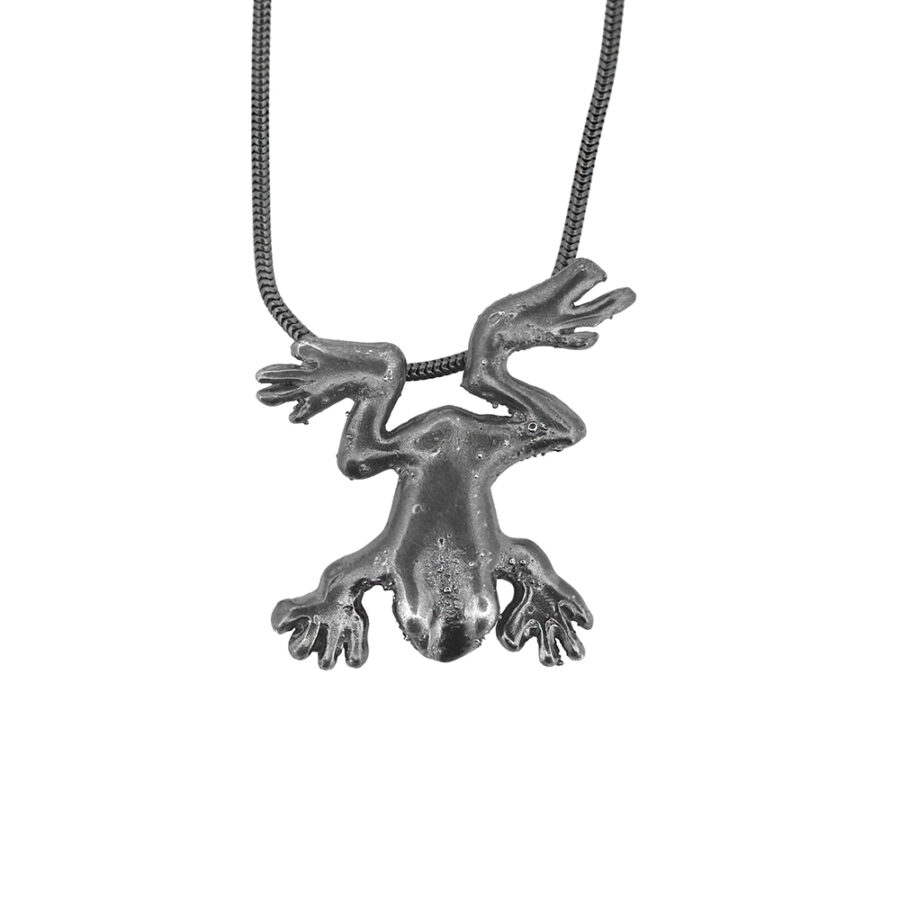
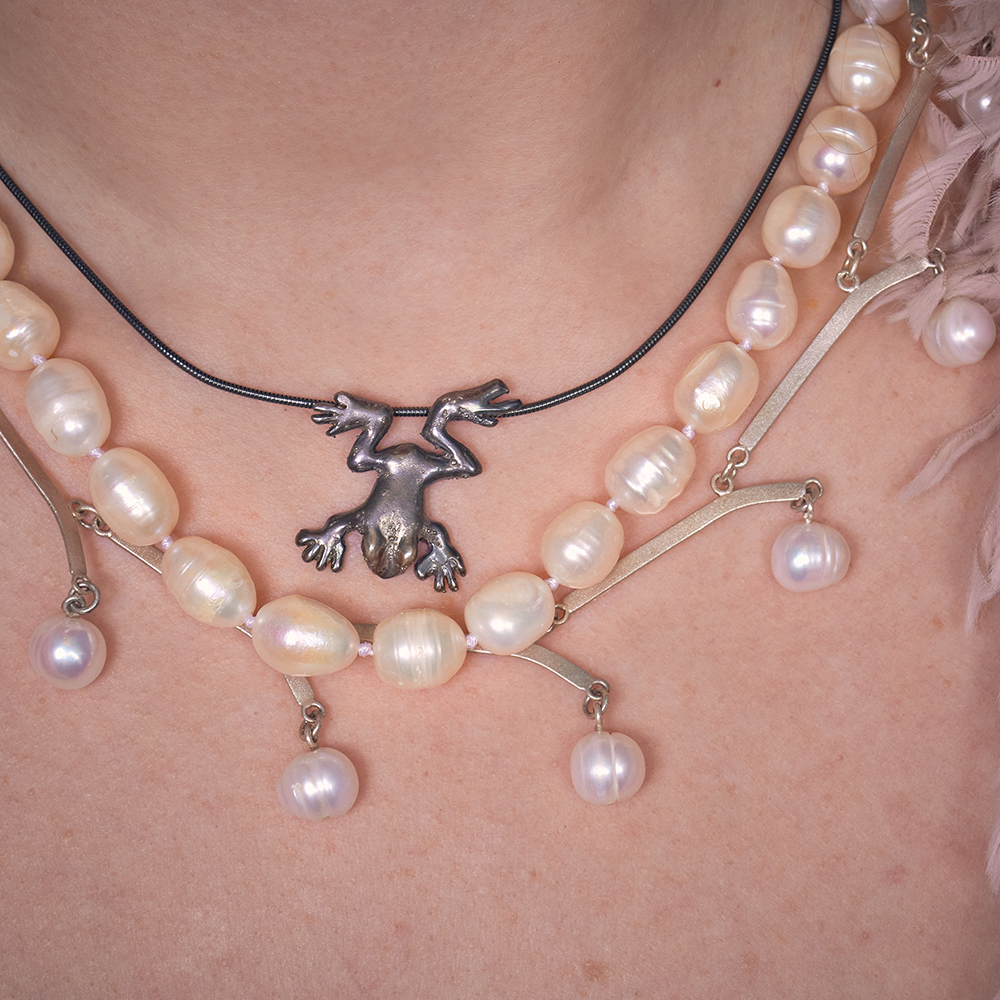
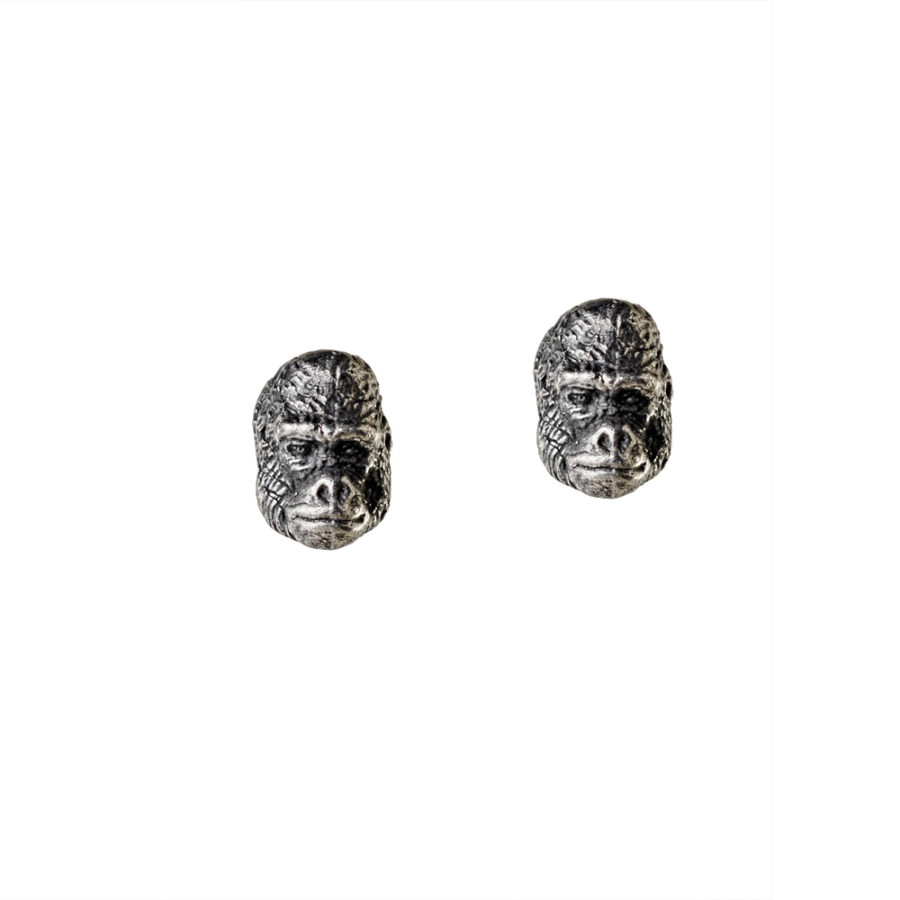
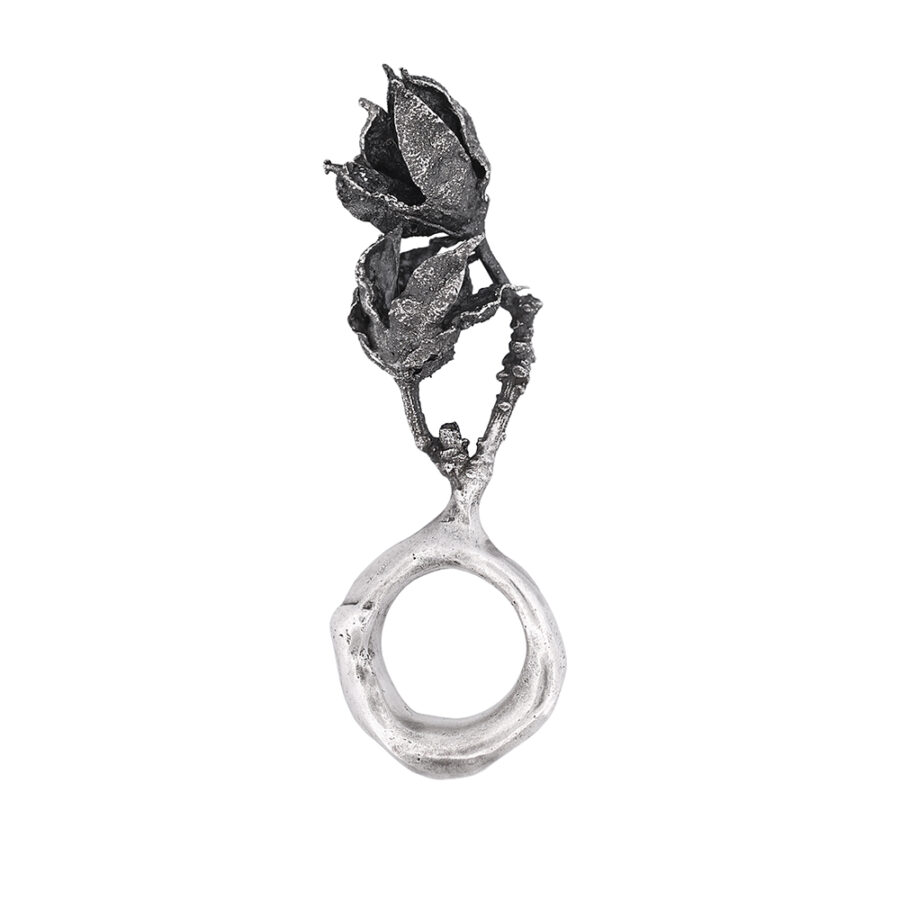
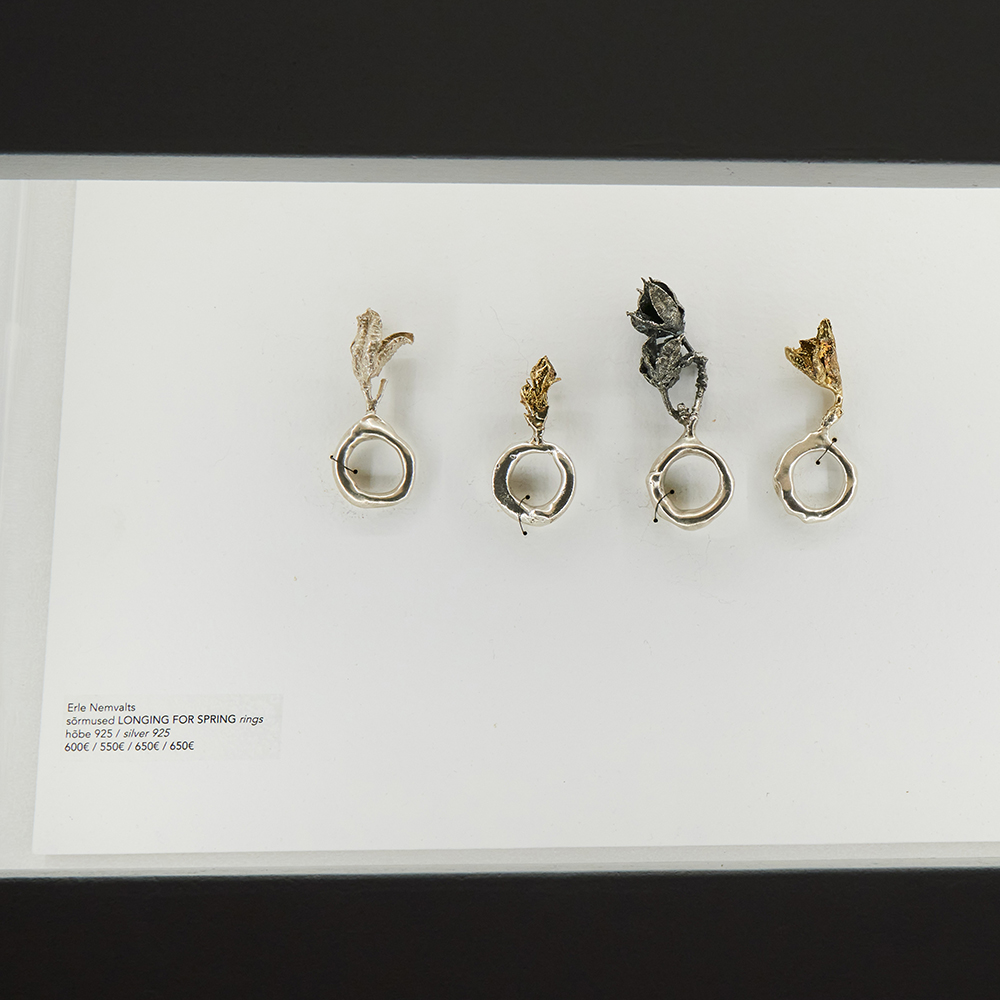
Erle Nemvalts (1991) is an Estonian jewellery artist. Her creative practice focuses primarily on human behavioral patterns and characteristics. In her work, the artist often employs contrasting symbols and materials, simultaneously expressing lightness and heaviness, hope and despair. Nemvalts’ work has been exhibited in numerous exhibitions in Estonia, Portugal, Germany, France, Belgium, the United States, the Netherlands, and Hungary. In 2019, Nemvalts was awarded the Young Jewellery Fund’s Special Scholarship, and in 2023, she received the Marzee Gallery’s Graduates Exhibition Prize.
The exhibition is supported by the Estonian Cultural Endowment.
MERILIN PEDASTSAAR
FLOW
Flow – it is the manifestation of naturalness, of one’s most natural quality (the healing power of medicinal herbs, natural patina on metal). Taoists say that one does not achieve naturalness by striving upwards, but rather by going in the opposite direction – descending.
Patina is a thin oxide layer formed on the surface of metal over time, resulting from exposure to elements in the environment. For example, iron forms its natural patina, known as rust, when reacting with oxygen and moisture in the air.
The exhibition FLOW presents abstract paintings by Merilin Pedastsaar, executed on brass and steel. Techniques to achieve that include laser cutting, etching, casting, and chemical coloring known as patinating of metals. The history of metal coloring dates back thousands of years and has served religious, practical, and decorative purposes. Patination became more widely recognized as an art form in the 19th century. Pedastsaar says: “Coloring metals requires concentration – precise adherence to the patina recipe, but also patience and letting go. Once the work is done, step back! Much of the final result is unpredictable, one must trust life and give the metal a chance. Colors are in constant movement – emerging and fading, while covering each other. For me this process of flowing together with patina has been equally stunning and enjoyable, a collaboration, which could be summarized with the teaching of Laozi: Act without action.”
Merilin Pedastsaar (1989), known by the artist name MERI, is a metal artist, creative director, and galvanizer in her company Ehemeri. In 2014, she obtained a bachelor’s degree from the Estonian Academy of Arts, and the same year she was awarded the Roman Tavast Young Jewellery Artist Prize. Pedastsaar furthered her studies in Sweden, as an exchange student at the University of Gothenburg’s Faculty of Design and Craft and as an intern in Christer and Lena Bergestad Jonsson’s studio, Jungfruhuset. From 2015 to 2020, she worked as a visiting lecturer at the Viljandi Culture Academy, teaching courses on galvanizing (galvanoplasty, gold and silver-plating, patination, metal etching, and anodizing).